CDN NEWS |
  US NEWS







Tax breaks are fueling a rare alignment between Ottawa and the oil industry.
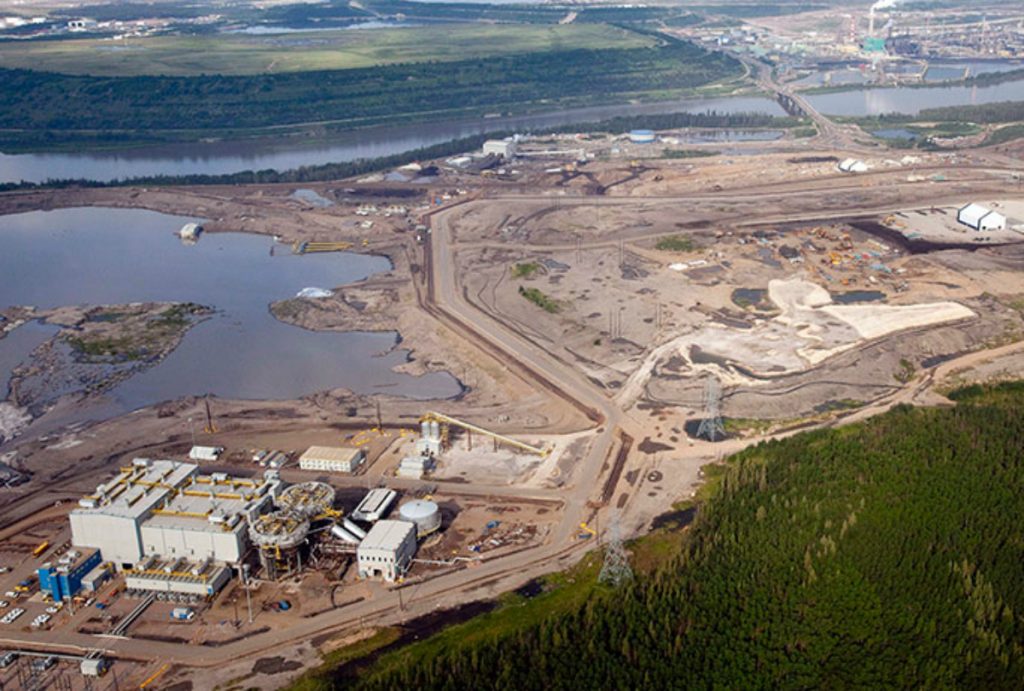
Canada’s oil industry this week found itself in the rare position of giving the federal government a rave review.
The reason: a change to the tax regime for a broad range of industries, including oil production and pipelines, that will now be able to immediately expense some investments.
A federal government official told a conference in Edmonton on Tuesday that the marginal effective tax rate of 6.4% for new investments would be the lowest of advanced global economies.
That’s good news for an industry set to spend north of C$100 billion ($71.8 billion) in the next decade to simultaneously expand production, build a new million-barrel-a-day pipeline to Canada’s west coast and construct a major carbon capture and storage project in the oil sands.
“They really delivered ahead of schedule,” said Kendall Dilling, head of the Oil Sands Alliance, a group representing the five largest producers in the region.
The alignment of interests between Ottawa and Alberta, the center of the country’s oil sector, is a relatively new phenomenon. In recent years, pressure from the federal government on the oil sands to reduce emissions generated resentment in Alberta and fueled the province’s separatist movement.



But Prime Minister Mark Carney’s government has been supportive of oil and gas as a way to cut Canadian reliance on the US as the relationship between the two neighbors has deteriorated.
That said, energy exports from Canada to the US are exempt from the tariffs imposed by President Donald Trump — both countries’ energy sectors are simply too entwined (and fuel prices already too elevated) for Washington to risk dragging oil into the trade war.
But around 90% of Canadian oil currently goes to the US. Boosting output and ensuring more is shipped to Asia are key planks of Carney’s strategy.
The industry is still looking for more concessions. Alberta Premier Danielle Smith has indicated she’s considering changes to the royalty scheme the province charges companies on their production.
And then there’s the Pathways carbon removal project, billed as the world’s largest, which would curb some of the emissions associated with Alberta’s oil industry.
The Canadian and Alberta governments and the oil sands majors are now negotiating to meet a Nov. 15 deadline to move ahead with the plan. The Pathways project is costly, ambitious and controversial, and its future is by no means assured.
But if it advances, that would be another vote of confidence for the sector.
—Iain Boekhoff, Bloomberg News
Share This: