


 CDN NEWS |
  US NEWS







By Joyce Lee
- Grid bottlenecks, costs remain electrification barriers
- Seoul to target 35% electrification by 2035 with Asian countries
- Qatar supply disruption, European demand squeezing Asian LNG markets
SEOUL, Sept 17 (Reuters) – The International Energy Agency’s chief said on Thursday the shift toward electrification remained firmly backed by capital markets even as grid capacity and affordability challenges persist.
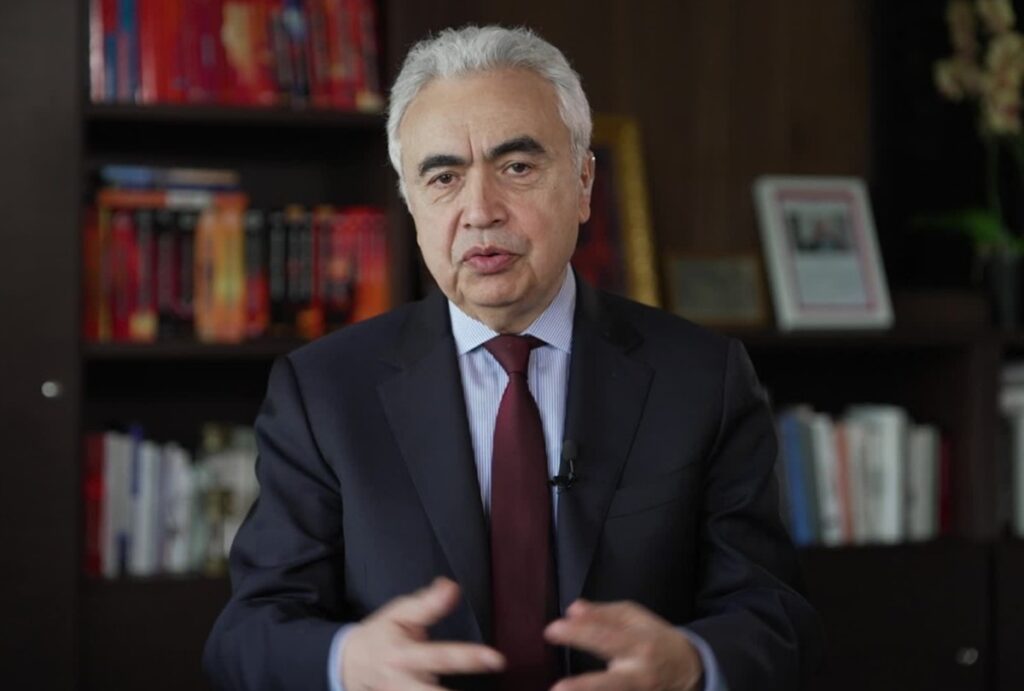
Asked about risks of over-investment in power infrastructure, including concerns over slowing artificial intelligence investment due to existential risk fears, IEA Executive Director Fatih Birol said electrification was “not a rose garden” but that the direction of travel was clear.
“Electricity demand increases three times faster than the total energy demand,” he told reporters in Seoul, adding 61% of global energy investment has gone to electricity this year versus 39% for fossil fuels.
Birol said he saw two hurdles to broader electrification: insufficient grid capacity linking power generation to consumption centres, and the need to keep electricity costs low enough for consumers to choose it over fossil fuels, which he said governments could address through financing measures.
Birol’s remarks came at a news conference with South Korea’s Energy Minister Kim Sung-whan, where the two launched a new energy security partnership called Resilient & Integrated Strategy for Energy Security in Asia, or RISE ASIA.



Kim said the partnership would initially focus on strengthening joint responses to the energy crunch since the war in Iran and, over the longer term, on shifting Asian economies away from fossil fuels toward electrification.
He said Seoul and the IEA planned to work with other Asian countries toward a target of reaching 35% electrification by 2035, to be announced around the COP31 climate summit.
Birol said the agency’s near-term priority would be Southeast Asia, and South Korea’s manufacturing base gave the programme a practical edge, as a major producer of equipment such as batteries, wires, cables and transformers which Birol called “a big advantage to start with” for electrifying the wider region.
On surging Asian LNG prices amid Middle East instability, Birol said markets were strained by the war’s impact on exporter Qatar, and warned conditions could tighten further as Europe, having cut energy ties with Russia, imports more LNG.
He said a harsh European winter could spark competition between European and Asian buyers for cargoes, pushing prices even higher.
But a few years from now, Birol said new LNG projects coming online in the U.S., Canada, Australia and Malaysia should ease market pressure.
Reporting by Joyce Lee; Editing by Hugh Lawson
Share This:


















LNG Buyers Turn to US as Hormuz Crisis Forces Supply Rethink