


 CDN NEWS |
  US NEWS







Summary
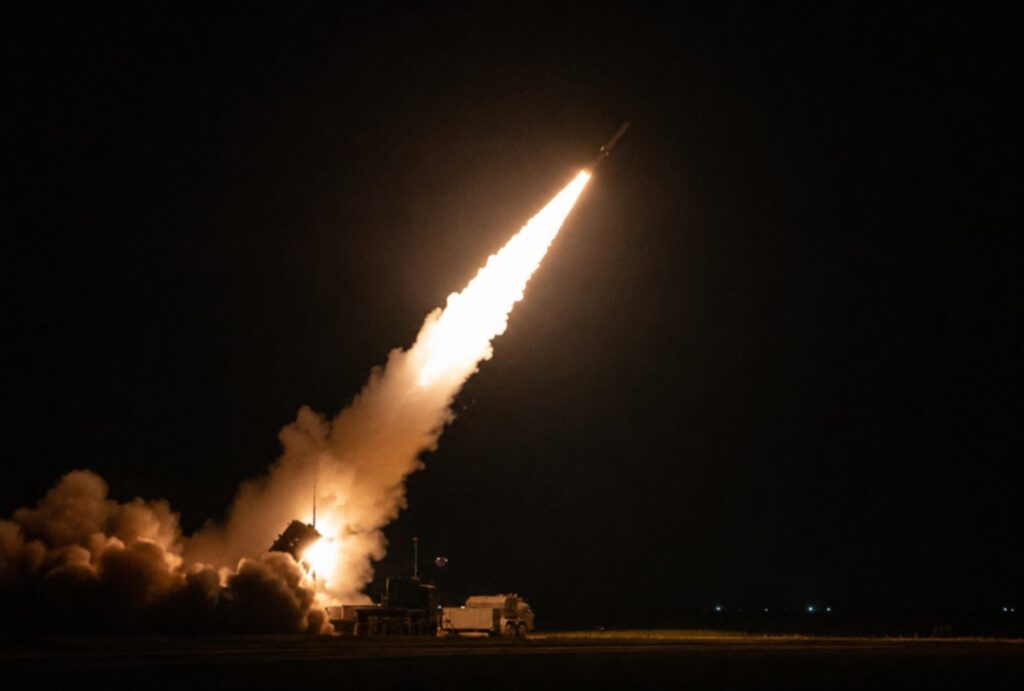
- U.S. forces struck two Iranian launchers on Larak Island on Sunday after reportedly observing preparations to deploy rockets carrying sea mines into the Strait of Hormuz.
- Iran said the attack caused casualties and responded by launching missiles at two U.S. air bases in Jordan.
- Brent crude surged above US$91 per barrel, while West Texas Intermediate climbed above US$86 as markets priced in renewed supply risk.
U.S. forces carried out strikes against two Iranian launchers on strategically located Larak Island over the weekend, reigniting fears that the conflict could further disrupt oil shipments through the Strait of Hormuz.
A U.S. official confirmed that American forces struck the launchers Sunday after personnel from Iran’s Islamic Revolutionary Guard Corps were observed preparing what Washington described as an imminent threat to maritime traffic.
“I can confirm that earlier today U.S. forces struck two Iranian launchers on Larak Island,” the official said. “Islamic Revolutionary Guard Corps forces were observed preparing to launch rockets with sea mines into Strait of Hormuz.”
The attack marked the first publicly known U.S. strike inside Iran since late July.
Iran’s Revolutionary Guards said the U.S. operation killed and injured several soldiers and civilians. Tehran promised the strike would be met with “response and punishment,” according to Iranian state media.
Iran subsequently launched attacks against two U.S. air bases in Jordan, Iranian media reported Monday. Jordanian and U.S. officials said the incoming missiles were intercepted and that no significant damage was reported.
The competing accounts and threats of additional retaliation have raised concerns that the confrontation could enter another sustained period of escalation after several weeks of comparatively limited direct military action.
Larak Island’s Strategic Importance
Larak Island sits inside the Strait of Hormuz, one of the world’s most important energy shipping corridors. Its location allows Iran to monitor—and potentially threaten—vessels entering and leaving the Persian Gulf.
Before the current conflict began, approximately one-fifth of the world’s oil supply travelled through the strait. The route is particularly important for exports from Saudi Arabia, Iraq, Kuwait, the United Arab Emirates and Qatar.



The U.S. allegation that Iranian forces were preparing rockets carrying sea mines is especially significant. Mines can disrupt commercial shipping even without sinking a vessel because shipping companies, tanker operators and insurers may suspend voyages until the waterway is declared safe.
Negotiations aimed at restoring normal traffic through the strait have remained stalled. Although oil shipments through the region have partially recovered, Reuters reported that volumes remain below pre-war levels.
Oil Prices Jump
Oil prices rose more than 3.5% Monday as traders reacted to the renewed exchange of attacks.
Brent crude futures climbed US$3.15 to approximately US$91.25 per barrel, while West Texas Intermediate increased US$2.96 to US$86.36 in early trading.
“Renewed military strikes in the Middle East and concerns of further oil supply disruptions have lifted oil prices,” UBS analyst Giovanni Staunovo told Reuters.
The market’s next move will likely depend on whether the confrontation de-escalates or expands to include additional military targets, commercial vessels or energy infrastructure.
The reaction demonstrates how quickly geopolitical risk can return to oil markets. Prices had previously fallen as traders became more optimistic that negotiations could improve access through the Strait of Hormuz.
Those hopes have now been weakened.
Share This:


















COMMENTARY: US Energy Dominance Descends Into Decadence