CDN NEWS |
  US NEWS







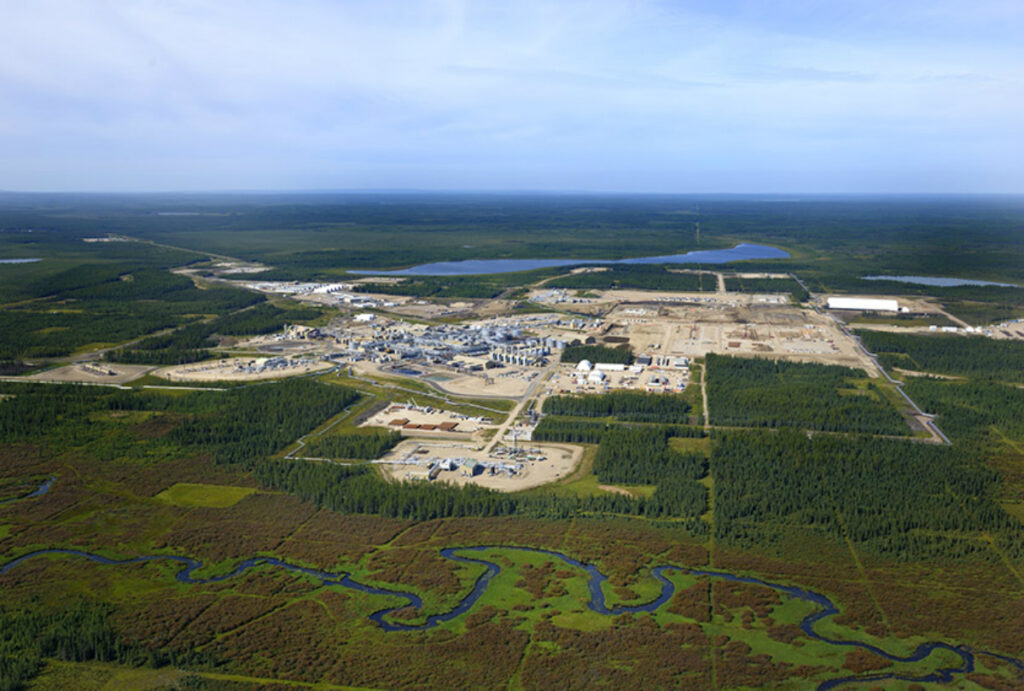
(Reuters) – Canada has become more attractive for oil and gas investment under Prime Minister Mark Carney although the cost of doing business remains a challenge that could limit long-term energy sector growth, industry executives said on Thursday. Oil and gas companies, which have long complained that onerous federal regulations and environmental policies in Canada impede industry growth, offered measured praise for a recent energy deal between the federal government and the oil-producing province of Alberta.
The deal eliminated some environmental rules, set the terms for a new industrial carbon pricing policy for Alberta’s oil sands sector, and pledged to speed up regulatory approvals. Carney and the Alberta government have said the deal will help pave the way for construction of a 1-million-barrel-per-day crude oil pipeline to British Columbia’s coast.
ConocoPhillips Canada President Nick McKenna said the agreement significantly improves the risk profile of oil and gas investments in Canada. Speaking at an industry event in Calgary, he also cautioned that Canada is still competing for investment capital against other jurisdictions, particularly the U.S., where the Trump administration has been pushing hard to boost oil and gas output.
“The cost to do business in a jurisdiction matters,” McKenna said. “It is a very, very competitive landscape.” Alberta has said it plans to submit to the federal government a proposal for Canada’s second West Coast oil export pipeline before July 1, with the aim of starting construction by September 2027.



But no private company has yet committed to build the pipeline. A spokeswoman for Enbridge, Canada’s largest pipeline operator, said in an email this week that the company would consider participating only when and if the conditions and policy framework were right. While Canadian oil sands producers are keen to increase their output, filling a new 1-million-bpd pipeline by the mid-2030s would require companies to invest in new oil sands projects. That would be a dramatic shift away from the industry’s focus in recent years on enhancing efficiency of existing operations and returning money to shareholders.
Alberta’s proposed new pipeline would require oil sands companies to invest up to C$100 billion ($72.5 billion) in new production, said Kendall Dilling, president of the Oil Sands Alliance industry group.
The oil sands industry has argued that any level of industrial carbon tax puts Canada at a competitive disadvantage with the U.S., making it harder to attract the foreign capital needed to support that growth.
The new federal-provincial deal ensures Alberta raises its carbon price over time, creating an incentive for heavy emitters to invest in pollution-reducing technology and satisfying a condition Carney set before his government would consider fast-tracking a new crude export pipeline. The Carney government has also said pipeline approval is conditional on oil sands companies committing to build a proposed carbon capture and storage project, though under the deal, the project can be phased in over time and would result in less emissions reduction than what the companies first pledged in 2022.
Reporting by Amanda Stephenson in Calgary; Editing by Edmund Klamann
Share This: