CDN NEWS |
  US NEWS







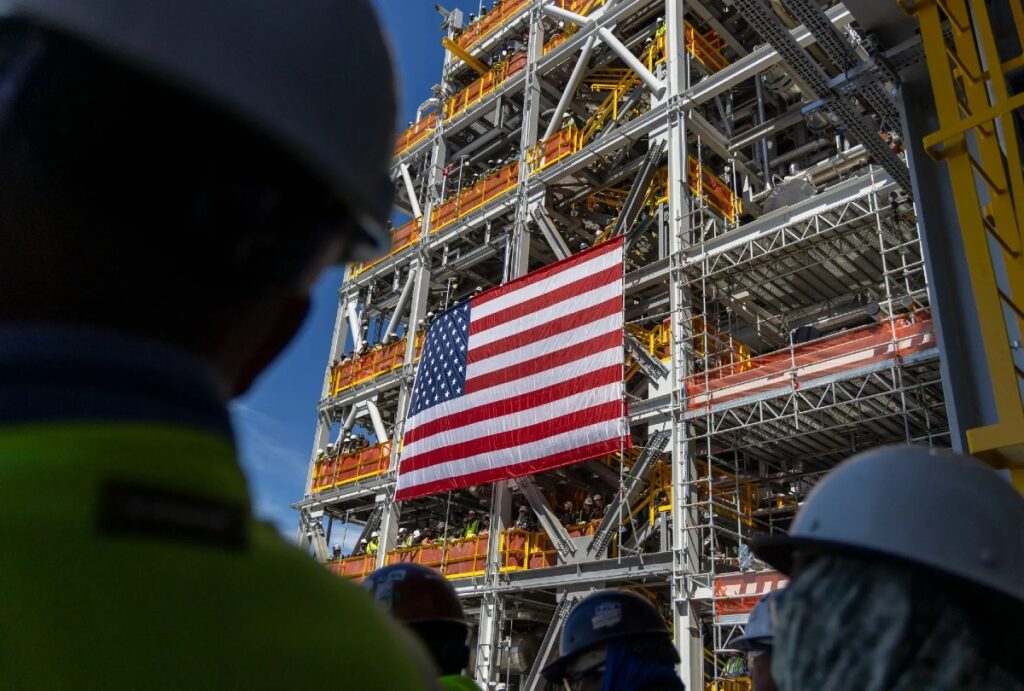
The US liquefied natural gas industry will be watching this week’s meeting between Donald Trump and Xi Jinping for any sign Beijing will remove tariffs on American LNG. Such a move could open the floodgates for billions of dollars’ worth of new supply deals.
China imposed a 15% levy on imports of the super-chilled fuel from the US last year as trade tensions escalated. That all but halted flows between the world’s biggest buyer and seller.
If China resumed importing all of its contracted US supply for a full year, those shipments would be valued at roughly $6 billion at current prices, Bloomberg calculations show.
That would give Trump something tangible to point to as he seeks to narrow the trade deficit. Yet for the LNG producers, the bigger opportunity would be reopening the door to fresh deals.
Chinese companies have largely steered clear of signing new US contracts since the trade dispute erupted. That became a hurdle for several proposed American LNG export projects, since such deals are vital for developers to secure financing and start large-scale construction.



It isn’t just LNG. China slapped 10% retaliatory duties on American liquefied petroleum gas, and that industry may also get a boost if Beijing decides to waive them.
Removing the tariffs, as well as some of the political baggage around buying US energy, could entice Chinese importers back to the table. In fact, there are signs that’s already happening.
China Gas Holdings Ltd. last week agreed to purchase US LNG for 20 years starting in the 2030s, while other Chinese firms were discussing similar deals on the sidelines of the Gastech conference in Bangkok.
The timing makes sense. Chinese importers have more reason to diversify after the US-Iran war disrupted supplies through the Strait of Hormuz. Qatar’s LNG expansion plans — which Chinese buyers have bought into — are suffering delays as the near-closure of the waterway continues.
These contracts can also deliver hefty trade numbers. A single, 1 million-ton-a-year LNG deal lasting 20 years would be worth roughly $8 billion. That would be the bigger trade prize for the industry, and for Trump.
—Stephen Stapczynski, Bloomberg News
Share This: