CDN NEWS |
  US NEWS







Summary
- Kremlin: says sanctions energy exports should be lifted
- Russia says Ukraine is not ensuring tanker safety
- Zelenskiy backs the idea if Russia is serious about peace talks
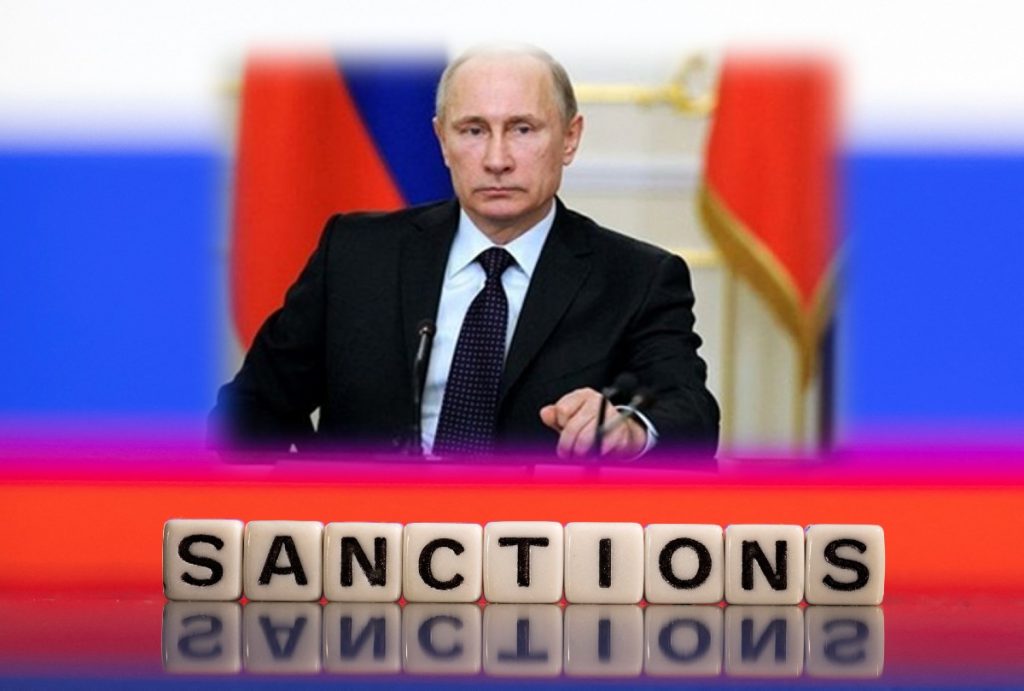
(Reuters) – The Kremlin said on Tuesday it welcomed a U.S. proposal for a Russia-Ukraine moratorium on attacking each other’s energy infrastructure, while saying it was also necessary to protect seaborne exports and remove “illegal” sanctions on Russia.
U.S. President Donald Trump said on Monday that Ukraine and Russia had agreed not to hit each other’s energy targets, though neither side has confirmed such an agreement. Russia hit petrol stations in Kyiv on Tuesday and Ukraine said it struck a Russian oil refinery.
Kremlin spokesman Dmitry Peskov told reporters that Trump’s suggestion was a “very good idea”, but it would take more than that to bring down global fuel prices.
“It is necessary to ensure safe commercial shipping and navigation here, including for oil tankers. The Kyiv regime has so far shown no inclination to guarantee such security,” Peskov said.
“And the second thing that needs to be done is, of course, to lift sanctions (against Russia) and these unlawful restrictions on energy supplies. Only then will the world be adequately supplied with these petroleum products, global markets will stabilise, and prices will move lower.”
Peskov said Russia would stay in touch with the Americans about Trump’s proposal.



Ukrainian President Volodymyr Zelenskiy said on Monday that Kyiv was ready to support an energy ceasefire only if Washington could ensure Moscow was genuinely ready to end its war on Ukraine.
Ukrainian strikes on energy facilities have led to a summer of fuel shortages in Russia, causing it to restrict exports. That has added to shortages of gasoline, diesel and jet fuel on energy markets, pushing up prices and stoking global inflation.
Ukraine, which faces regular Russian attacks on its own energy infrastructure, says refineries are legitimate military targets.
Trump urged Zelenskiy on Sunday to stop targeting Russian diesel infrastructure, saying the attacks were causing a diesel shortage that is “hurting the world”.
The Kremlin said on Monday that the global market upheaval was mainly due to the conflict in the Gulf.
Trump launched military strikes on Iran in February and Tehran responded by largely closing the Strait of Hormuz, through which about one-fifth of global oil and gas supplies had previously passed.
Russia and Ukraine have also been also hitting each other’s cargo vessels in the Black and Azov seas. The escalation has driven up the price of grain, of which both are major exporters.
Share This: