CDN NEWS |
  US NEWS







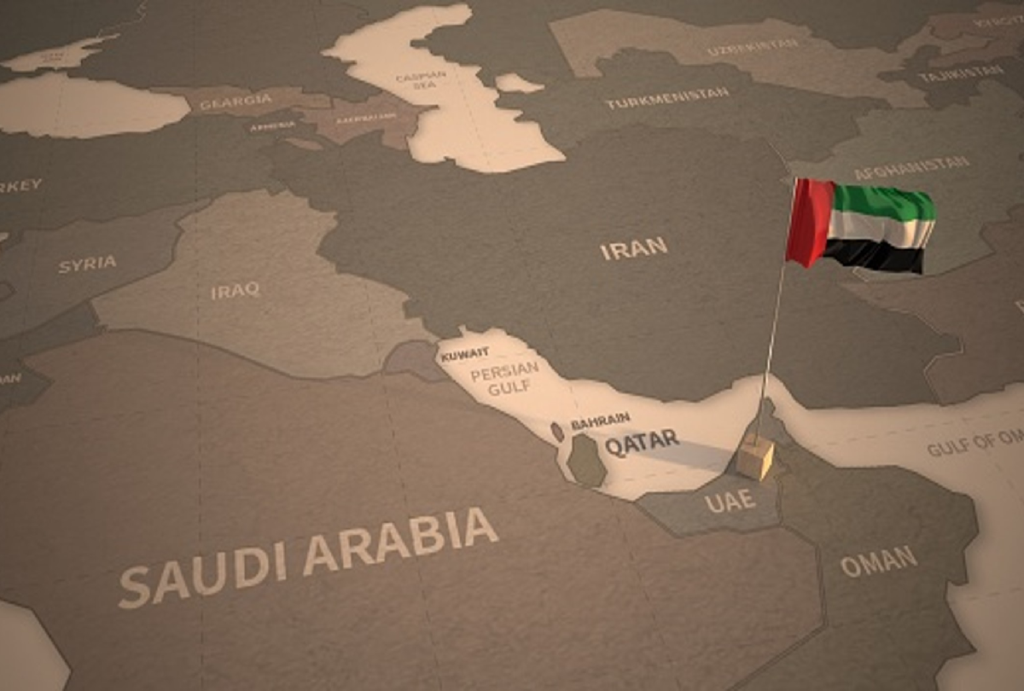
(Reuters) – The United Arab Emirates’ decision to quit OPEC would result in faster oil supply growth from the country as it comes out of the current crisis, Barclays said late Tuesday. The UAE, the fourth-largest producer in the Organization of the Petroleum Exporting Countries, said on Tuesday it would exit the group on May 1.
The announcement could assure potential investors that the country’s economic recovery would not be constrained by OPEC+ production quotas, Barclays said in a note late on Tuesday.
Tanker flow through the Strait of Hormuz remains muted “as the three-day moving average of about 3-4 crude oil and refined product (including LPG) vessels is down about 95% from last year,” the bank added. The Strait of Hormuz, a conduit for about 20% of global oil and LNG supplies, remains largely shut as peace talks between the U.S. and Iran remain stalled.



Meanwhile, ANZ bank in a note on Wednesday said that the near-term impact of the UAE’s exit from the cartel on oil prices would be limited as prices are still being driven more by geopolitics, inventories and logistics than by institutional changes.
Moreover, even if the UAE is now unconstrained by formal OPEC+ targets, its ability to translate capacity into exportable supply is still governed by the operating environment around the Gulf’s critical chokepoint, ANZ said.
Reporting by Noel John in Bengaluru; Editing by Sharon Singleton
Share This: