CDN NEWS |
  US NEWS







As Gulf Coast investment accelerates, engineering firms are discovering that being capable of serving a market isn’t the same as being present in it.
Engineering has never been more connected.
A project in Texas can draw on expertise from across North America. Engineering teams can collaborate virtually across disciplines, offices and time zones. Specialized talent no longer needs to sit down the hall to contribute meaningfully to a project.
So why are engineering firms still investing in local offices? Because proximity still matters.
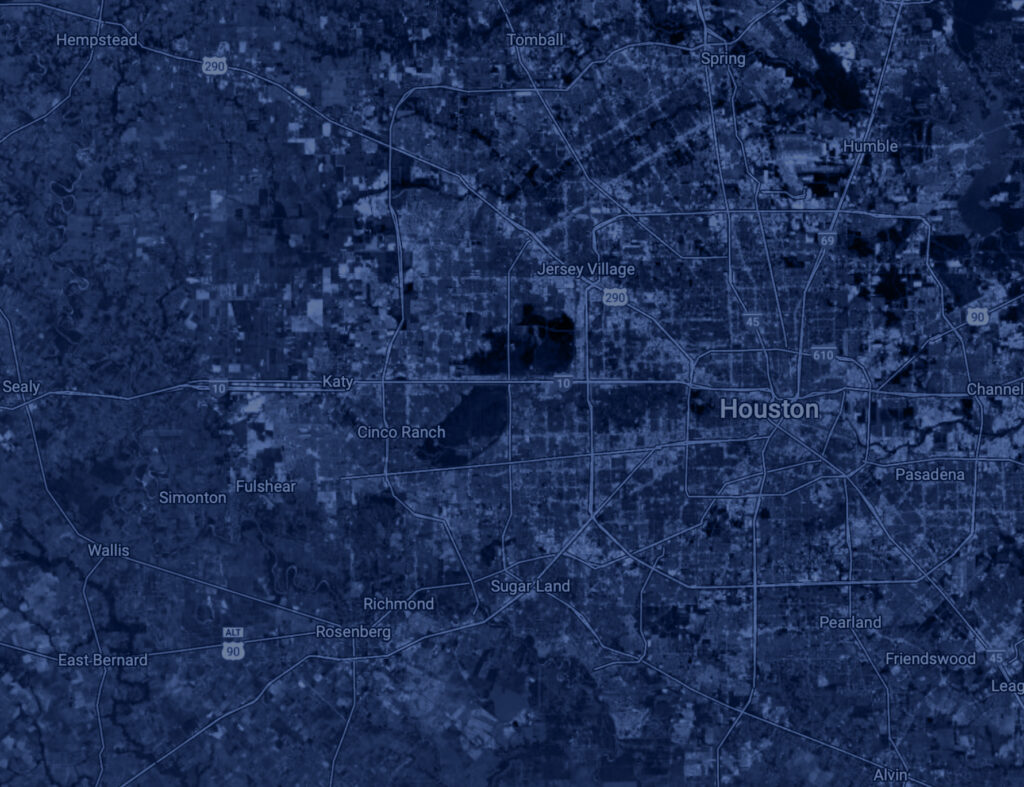
Across the Gulf Coast, investment is creating interconnected opportunities spanning traditional energy, midstream infrastructure, power generation, electrical transmission and distribution, ports and terminals, industrial development and the rapidly expanding data-center market.
For owners navigating that complexity, having engineering partners closer to the work can mean faster conversations, stronger alignment and greater responsiveness when project conditions change. It is one reason Lauren recently established a permanent presence in Houston.
“Houston is where the work is, and it is where our clients want us to be,” says Caroline Glennan, Director of Operations for Lauren’s U.S. office. “They increasingly expect us to have people in the room, operating in the same time zone and ready to deliver what they need.”
The distinction is important. Lauren was already serving U.S. projects from Canada. Establishing in Houston isn’t about suddenly gaining the technical capability to work in the market. It’s about shortening the distance between that capability and the client.
That becomes particularly valuable as infrastructure becomes more interconnected. Data centers are one example. Their development isn’t simply a building challenge; it can involve power generation, transmission and distribution infrastructure and the natural gas systems supporting generation.
“Data centres are a good example because they require more than power generation,” says Glennan. “They also need the electrical transmission and distribution systems to support them, as well as the natural gas infrastructure that may be feeding that generation. Lauren has experience on both sides.”
The Houston team can draw on more than 180 people across Lauren’s North American operations as project requirements evolve. That creates a different model of proximity.
Local presence doesn’t mean every specialist must be local. It means creating a local point of connection backed by a wider organization, putting project leadership closer to clients while drawing specialized expertise from wherever it resides.
And entering a market still requires earning credibility.
“We have to prove ourselves, establish that credibility and then grow from there,” Glennan says. “This is a multi-year build, and we are approaching it deliberately.”
That may ultimately be the more important meaning of proximity. It’s not simply having an address in Houston. It’s showing up, understanding how clients operate, building local relationships and being available when a project needs attention.
Technology has made distance less of an obstacle, but in a market that is evolving as quickly as the Gulf Coast, being closer to the work can still make all the difference.
Corporate Overview
Lauren Services is a Canadian-owned engineering and project execution firm with roots dating back to 1979. From offices in Calgary, Vancouver, Kelowna, and Houston, Lauren delivers smart, fit-for-purpose solutions across the full project lifecycle. Known for combining deep technical expertise with personal integrity, Lauren serves a diverse client base across traditional and transitional energy. Learn more at laurenservices.com.
Share This: