CDN NEWS |
  US NEWS







By API – American Petroleum Institute
Last week, the Senate introduced the Bipartisan American Affordability and Jobs Act of 2026, creating a historic opportunity to modernize the federal permitting process, strengthen American competitiveness and help address affordability challenges facing consumers.
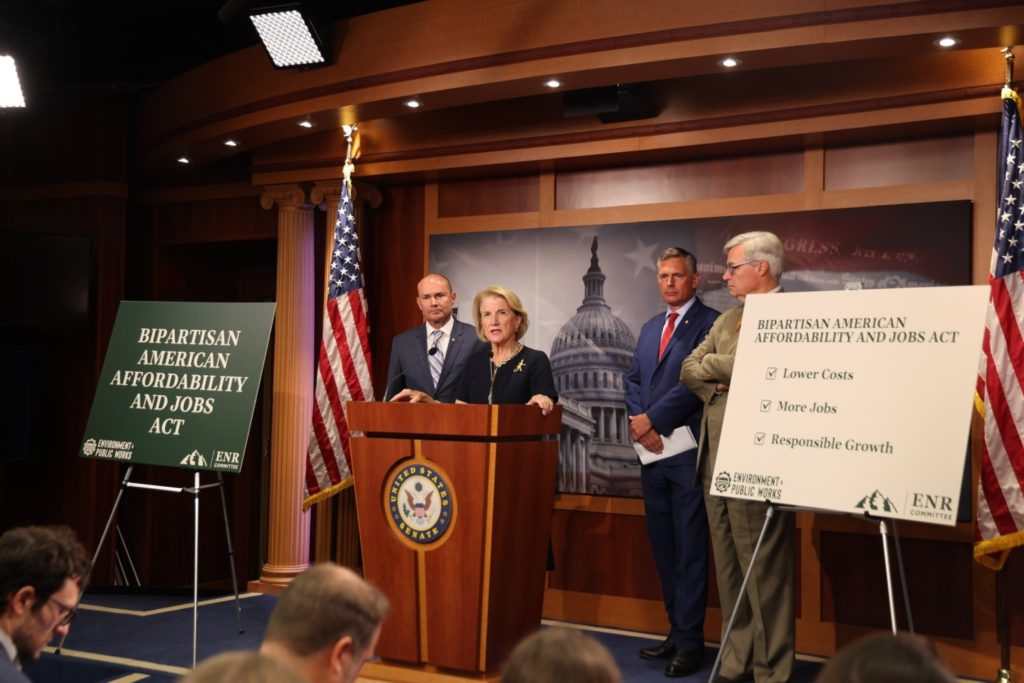
President Trump and Senators Shelley Moore Capito, Mike Lee, Sheldon Whitehouse and Martin Heinrich helped forge this bipartisan agreement after months of negotiations, bringing the most significant permitting reform package in decades within reach.
The legislation advances key reforms we’ve previously outlined, including enforceable timelines, more focused environmental reviews and stronger safeguards against litigation-driven delays.



Why permitting reform matters:
America’s ability to build critical energy and infrastructure projects is increasingly constrained by a permitting system that is slow, unpredictable and vulnerable to unnecessary delays. Lengthy reviews and prolonged litigation increase project costs, discourage investment and slow the infrastructure needed to meet growing energy demand.
Modernizing the permitting process can help lower costs, spur investment, strengthen energy security and support the reliable and affordable energy Americans depend on every day.
By the numbers:
- An ICF analysis commissioned by API found that comprehensive reform could reduce residential electricity bills by a combined $55.6 billion from 2026 through 2035, while supporting 705,000 jobs and nearly $24 billion in tax revenue by 2030.
- McKinsey estimates that construction costs can rise 24% to 30% over project permitting timelines.
- More than 650 major infrastructure projects representing an estimated $1.1 trillion to $1.5 trillion in investment are awaiting federal approval.
What this legislation does:
- Enforces timelines: Reinforces statutory deadlines for key reviews and gives covered energy projects a path to judicial relief when agencies miss them.
- Reduces litigation delays: Establishes a 150-day filing deadline for certain legal challenges, requires challengers to demonstrate direct harm and limits unnecessary construction delays while agencies correct legal deficiencies.
- Keeps reviews focused: Clarifies the scope of environmental reviews and limits Clean Water Act Section 401 certification to ensuring compliance with water-quality requirements.
- Adds project certainty: Strengthens protections for projects that have completed the permitting process and establishes clearer rules for judicial review.
What API is saying:
API President and CEO Mike Sommers called the legislation a “generational opportunity” to modernize America’s permitting system and help address affordability challenges facing consumers. In a letter to Senate leadership, Sommers urged lawmakers to bring the legislation to the floor upon their return in November and complete work on the package this year, describing permitting reform as both an economic and affordability imperative.
What others are saying:
The Senate package has drawn support from a wide range of organizations, including the National Association of Manufacturers, the Corporate Energy Buyers Association and ACORE. The National Governors Association, which has worked with governors from both parties to advance federal permitting reform, also welcomed the legislation. This broad backing reflects growing recognition that permitting reform is essential to strengthening the economy, supporting infrastructure investment and restoring America’s ability to build.
The takeaway:
Congress has a rare bipartisan opportunity to enact meaningful permitting reform that will help lower costs, strengthen American competitiveness and enable the construction of the energy and infrastructure projects needed to meet growing demand.
By establishing clear timelines, reducing unnecessary litigation delays and providing greater investment certainty, the Bipartisan American Affordability and Jobs Act of 2026 would represent the most significant modernization of the federal permitting process in decades.
Share This: