CDN NEWS |
  US NEWS







By Laila Kearney and Sumit Saha
- Lawmakers say the deal fails FERC’s public-interest standard
- AES investors and Ohio regulators already cleared parts of deal; closing targeted for 2026 or 2027
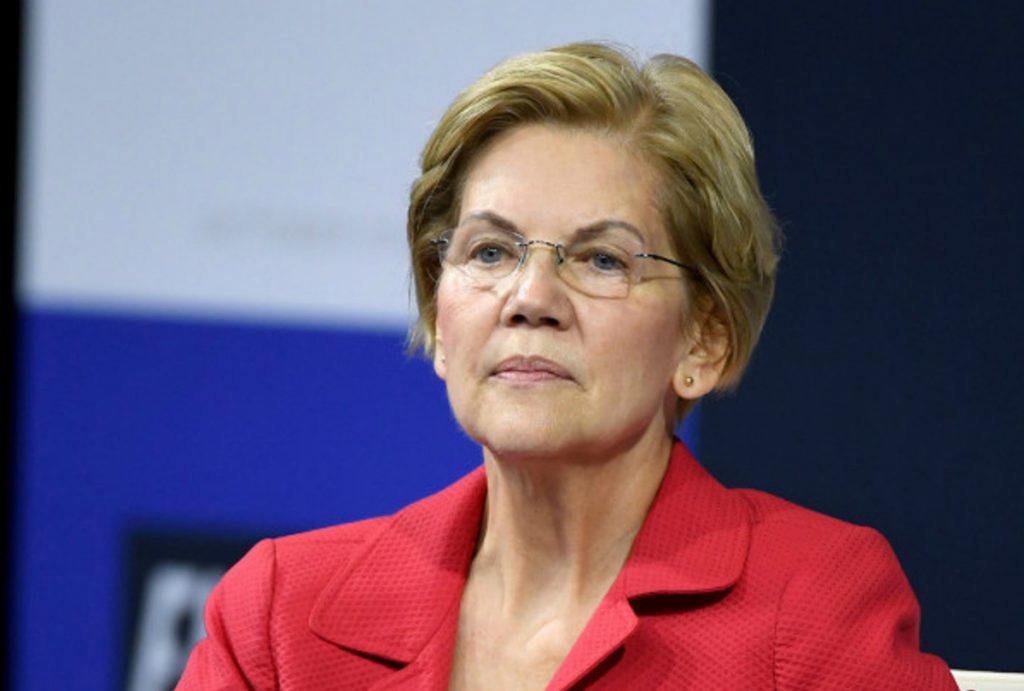
NEW YORK, Sept 29 (Reuters) – A group of US lawmakers including Senator Elizabeth Warren asked federal energy regulators this week to reject a more than $33 billion sale of power company AES, saying it could drive up electricity bills and benefit data centers at the expense of utility customers, according to a letter seen by Reuters.
U.S. electricity demand is being driven to record highs, largely by the proliferation of energy-intensive data centers, spurring a flurry of power mergers and acquisitions, some of which propose to take public electric utilities private.
BlackRock’s (BLK.N) Global Infrastructure Partners, alongside Swedish private equity EQT (EQTAB.ST) and other investors, agreed in March to acquire AES (AES.N) in a deal valued at about $33.4 billion including debt, making it one of the largest power sector transactions in recent years.
“The private equity industry’s involvement in the public utility market has significant implications for consumers’ energy costs at a time when Americans are facing record high utility bills,” said the letter dated Sept. 28, which was directed to Federal Energy Regulatory Commission Chairman Laura Swett.
BlackRock declined to comment. EQT did not immediately respond to a request for comment.
AES in an emailed statement said, the acquisition is not expected to impact customer rates in company’s regulated utilities.
“No costs associated with the acquisition — including any premium paid or transaction-related expenses — will be borne by utility ratepayers and for the Company’s electric utilities in Indiana and Ohio,” it added.
The sale of AES is pending approvals by FERC, which is tasked with determining whether the transaction is in the public’s interest.



In their letter to the Federal Energy Regulatory Commission Chairman Laura Swett, dated September 28, the lawmakers argued that the acquisition fails the public interest test, partially because it could increase energy costs for homes and businesses.
The letter was signed by a bipartisan group of lawmakers, including Indiana representatives André Carson, a Democrat, and Victoria Spartz, a Republican, as well as Democratic Representatives Rashida Tlaib of Michigan and Ayanna Pressley of Massachusetts.
As part of the acquisition, publicly traded AES would become a privately held company, while utilities AES Indiana and AES Ohio would remain regulated subsidiaries.
The group said that GIP generally seeks an internal rate of return of around 15% to 20%, roughly double the historical 10% median earned by regulated utilities, creating incentives to pursue higher profits by hiking electricity rates.
AES has said in public filings that the deal would not raise rates at the utilities, which would continue to be state regulated and operated locally, and that the acquisition would broadly improve its access to capital to invest in critical grid infrastructure.
The acquisition, the lawmakers said, could also increase the risk of “cross-subsidization” between BlackRock’s utility holdings and its investments in data centers across the country.
The lawmakers argued that BlackRock’s growing ownership of both electric infrastructure and data centers could create incentives for utility investments that primarily benefit affiliated data centers, while leaving other customers to bear part of the costs.
“Even worse, if a data center fails, customers may continue paying for the unnecessary upgrades via increased utility bills,” the letter said.
AES shareholders have approved the transaction and Ohio regulators approved the transfer of AES Ohio earlier this month. The parties have said the deal is expected to close in late 2026 or early 2027, subject to remaining regulatory approvals, including by FERC.
Reporting by Laila Kearney in New York and Sumit Saha in Bengaluru; Editing by Liz Hampton and Chizu Nomiyama
Share This: