CDN NEWS |
  US NEWS







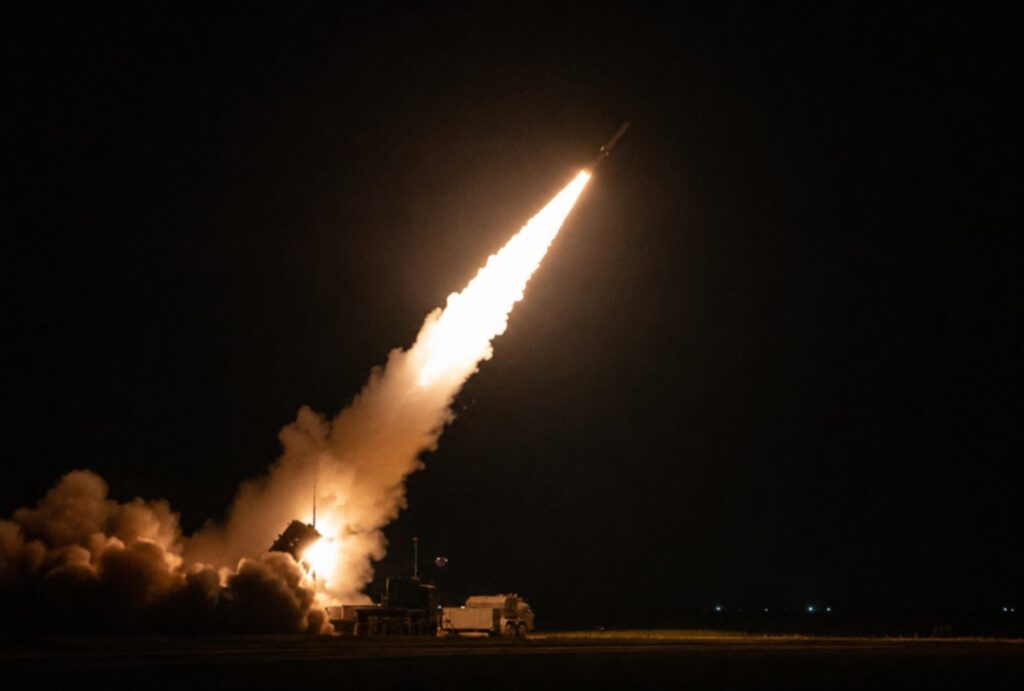
EnergyNow Editorial Report
American forces disabled two Iranian crude carriers and destroyed a third after ballistic missiles were launched toward a U.S. aircraft carrier and guided-missile destroyer, according to U.S. Central Command.
U.S. forces struck three Iranian crude oil tankers on Saturday in retaliation for what the Pentagon described as multiple Iranian ballistic missile attacks against two American warships operating in regional waters.
U.S. Central Command said an American aircraft carrier and a guided-missile destroyer successfully evaded the incoming missiles. No American personnel were injured.
The retaliatory strikes targeted three vessels that CENTCOM alleges were connected to a multibillion-dollar oil-smuggling network used to finance Iran’s Islamic Revolutionary Guard Corps and its regional proxy organizations.
According to CENTCOM’s official statement, U.S. forces:
- Permanently disabled the M/T Downy off the coast of Kharg Island, home to Iran’s principal crude export terminal.
- Permanently disabled the M/T Stark 1 near the Iranian port of Jask.
- Completely destroyed the unladen M/T Kylo, also known as the Noxen, in the Gulf of Oman.
CENTCOM said the Kylo’s crew was instructed to abandon the vessel before American forces struck it in several critical locations, rendering it inoperable.
CENTCOM Issues Direct Warning on X
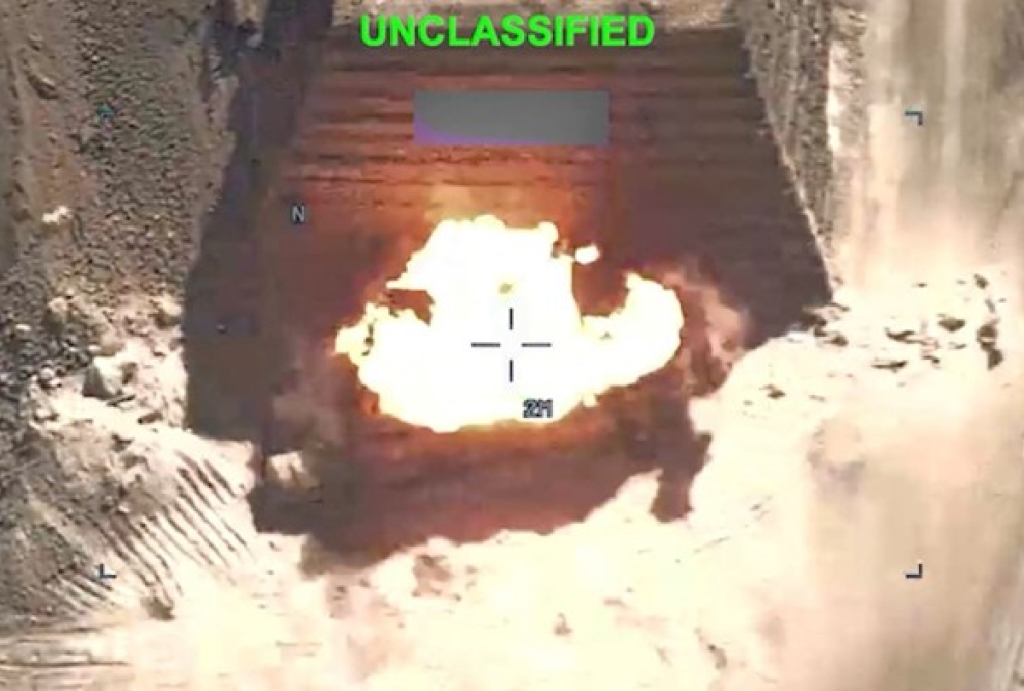
CENTCOM released video of the attacks through its official account on X, showing explosions aboard the three vessels.
“If you shoot at two of our ships, we will impose an even higher economic cost,” CENTCOM Commander Admiral Brad Cooper said.
Cooper added that the United States would defend its forces and, if necessary, destroy what he described as Iran’s “limited and exposed oil fleet.”



View CENTCOM’s statement and strike footage on X.
CENTCOM’s message represents an unusually explicit declaration that Washington is prepared to retaliate against Iranian military attacks by targeting assets tied to Iran’s oil trade. It also establishes a clear numerical warning: an attack on two American vessels resulted in strikes against three Iranian tankers.
The military command maintains that the targeted vessels were not ordinary commercial tankers but part of the so-called shadow fleet used to move sanctioned Iranian crude and generate revenue for the IRGC.
Escalation Near Iran’s Main Export Centre
The strike against the Downy is particularly significant because it occurred near Kharg Island, through which most Iranian crude exports have historically been handled. Military action near the terminal increases the possibility that future confrontations could disrupt Iran’s broader export infrastructure.
The attacks also expand the scope of the conflict from military installations and weapons systems to ships involved in Iran’s petroleum trade. That raises the economic consequences for Tehran while adding new risks for tankers, insurers and shipping companies operating near the Strait of Hormuz and Gulf of Oman.
Iranian state media subsequently claimed that Iranian forces retaliated by targeting three oil tankers and three American vessels. Those claims had not been independently verified, and U.S. authorities had not confirmed that American ships were struck.
Iranian media reported that the crew of the tanker attacked near Kharg Island survived and was evacuated. CENTCOM reported no American casualties in the preceding Iranian missile attacks.
Growing Risk for Oil Markets
The exchange threatens to place additional pressure on global energy markets. The Strait of Hormuz remains one of the world’s most important petroleum transit routes, connecting oil and LNG producers in the Persian Gulf with international markets.
Any sustained attacks on tankers—or indications that Iran’s terminals and export fleet could face further U.S. strikes—would likely increase security costs, tanker rates and insurance premiums. A larger confrontation could also produce a geopolitical risk premium in crude prices, even if physical shipments continue moving.
The latest action shows that Washington is increasingly willing to impose economic costs directly on Iran’s petroleum sector when American forces are attacked. Tehran, meanwhile, has warned that further U.S. military action will bring additional retaliation.
The danger is that the two sides are now operating under an escalating cycle: Iran launches missiles at American vessels, the United States attacks Iranian oil assets, and Iran threatens further action against shipping and U.S. forces.
Unless either side steps back, tankers and energy infrastructure around the Gulf could become increasingly central targets in the conflict.
Share This: