CDN NEWS |
  US NEWS







EnergyNow Media
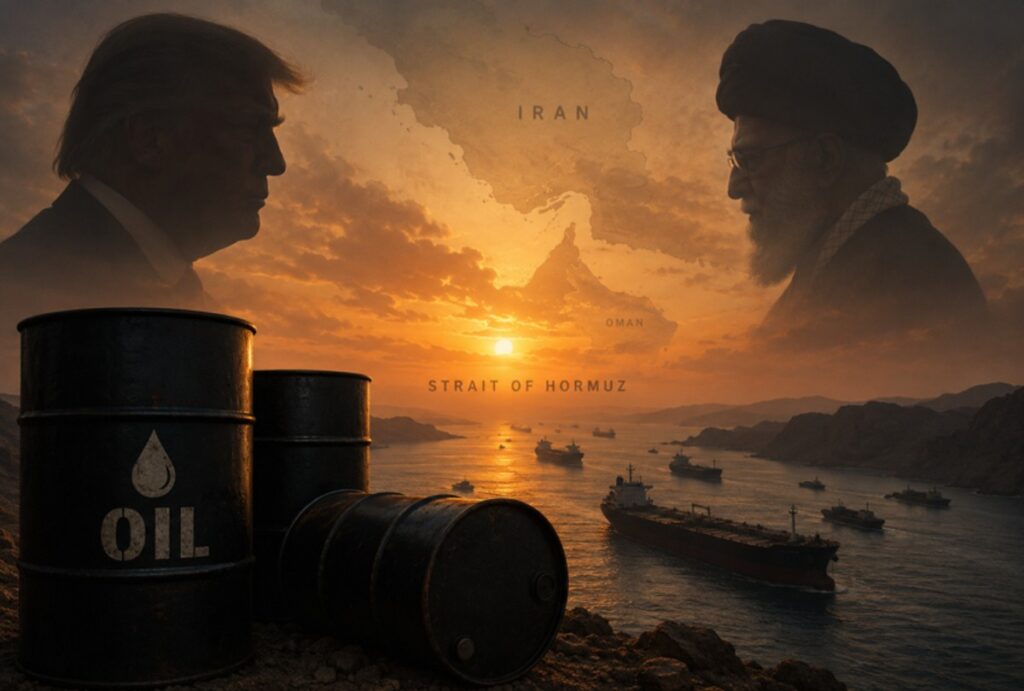
Iran says it has put a concrete proposal on the table that could reopen the Strait of Hormuz within seven days, shifting attention to Washington as energy markets watch for signs that months of disruption to one of the world’s most important oil shipping routes could ease.
Iranian Foreign Minister Abbas Araqchi told reporters at the United Nations on Friday that Tehran has presented the United States with a seven-day plan aimed at reopening the Strait of Hormuz and moving toward an end to the wider conflict.
“If the necessary conditions are met, the strait can be reopened, a normal maritime passage restored within seven days,” Araqchi said. “The choice now rests with the United States.”
According to Reuters, the Iranian proposal was transmitted to Washington through Qatari mediators. Earlier reporting indicated Tehran was seeking, among other measures, reduced U.S. military pressure and the lifting of a blockade on Iranian ports as part of an arrangement that could allow commercial traffic through the strait to normalize.
The diplomatic opening is significant for global energy markets because the Strait of Hormuz remains one of the most strategically important waterways for oil and liquefied natural gas exports. Disruptions to tanker traffic during the conflict have contributed to elevated crude prices, higher shipping costs and increased uncertainty over supplies from major Gulf producers.



Markets have responded quickly to signs of possible diplomatic progress. Oil prices fell about 2% Friday as traders weighed the possibility of a U.S.-Iran agreement and increased crude flows through Hormuz against continuing risks to Saudi Arabian and other regional energy infrastructure.
Any sustainable reopening could remove a substantial geopolitical risk premium from crude markets and improve shipping conditions for producers including Saudi Arabia, Iraq, Kuwait, Qatar and the United Arab Emirates. But the outcome remains uncertain.
Reuters reported Saturday that Iran was still awaiting an official U.S. response, even after the Wall Street Journal reported that President Donald Trump had rejected Tehran’s proposal. The Iranian government has continued to publicly portray its offer as available if Washington agrees to the required conditions.
The negotiations come as the United States and Gulf countries are also examining longer-term ways of reducing their dependence on Hormuz. Washington has proposed working with Arab allies on a multibillion-dollar energy infrastructure initiative that could include additional pipelines and export routes capable of bypassing the strait.
For oil markets, however, those projects would take years. The immediate question is whether diplomacy can restore reliable tanker traffic now.
Araqchi’s message leaves that decision squarely with Washington: Iran says it can begin reopening the Strait of Hormuz within seven days — provided the United States accepts the terms.
Share This: