CDN NEWS |
  US NEWS






By John Vellone
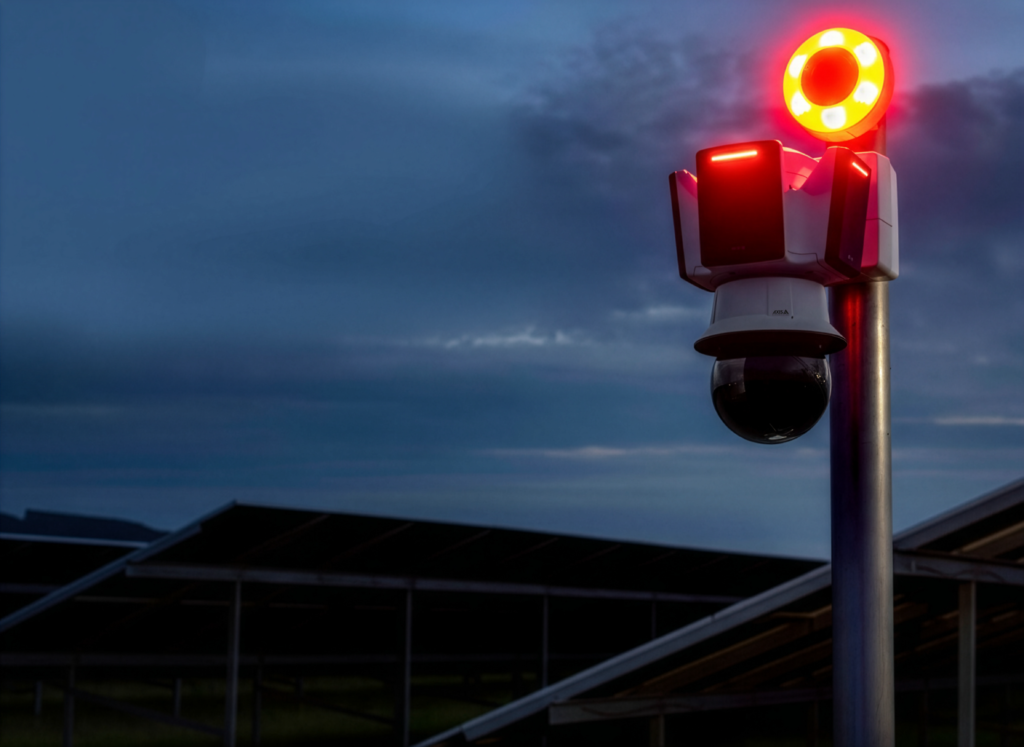
AXIS D2123-VE radar and strobe solution monitoring a solar field
It is 2:17 a.m. at a remote electrical substation. A temperature sensor reports an unusual rise near a transformer, while the supervisory control and data acquisition system shows that load remains within its normal range. The alert reaches an operator hundreds of kilometres away. The numbers confirm that something has changed, but they do not explain why.
The operator opens a live video view linked to the alarm. A thermometric camera identifies a hotspot near a connection point. An optical camera adds context, showing wind-driven debris lodged against part of the cooling system. The operator can see that the reading is not simply a temporary fluctuation. The facility needs attention, but the condition has not yet reached the point of failure. The team dispatches the right crew with the right equipment before the problem escalates.
This scenario illustrates a central challenge for the modern energy sector. Energy companies collect vast amounts of operational data from sensors, meters, SCADA platforms, condition-monitoring systems and automated analytics. These tools detect deviations, identify trends and trigger alerts across complex assets and large territories.
Yet data does not interpret itself. A temperature increase, pressure change, motion event or access alarm tells an operator that something may be happening. It rarely provides enough context to determine what is happening, why it is happening and what should happen next.
That is where visual information becomes essential.
More than a security tool
Many energy organizations still think of network video primarily as a security system. Cameras protect perimeters, monitor entrances and help investigate theft, trespassing and vandalism. Those functions remain critical at substations, solar farms, wind installations, pipelines, refineries and generation facilities.
However, the role of video has expanded. The 2026 Axis Perspectives Report found that 38 percent of organizations now use video for business intelligence, up from 20 percent a year earlier. Another 42 percent use it to support operational efficiency. Rather than treating video as a separate security layer, organizations increasingly use it as a source of operational data and situational awareness.
For energy operators, a network camera can function as a visual sensor. It can observe equipment, processes, people and environmental conditions at the same time. When connected with operational systems, an alarm can automatically display the relevant view, direct a pan, tilt and zoom camera toward an event, or retrieve footage from the moments before and after an anomaly.
Distinguishing an alert from an incident
Energy facilities generate large numbers of alerts. Some indicate genuine emergencies. Others result from temporary conditions, equipment tolerances, weather, wildlife, maintenance activity or sensor error. Operators must distinguish between them quickly.
Visual verification can reduce uncertainty. A pressure alert near a pipeline installation may coincide with scheduled work. A motion alarm at a solar facility may come from an animal rather than a person. A temperature change may reflect direct sunlight, a process variation or a developing equipment problem. Video gives the operator another source of evidence before deciding whether to escalate.
Thermal and thermometric imaging add another dimension. Thermal cameras detect heat rather than visible light, allowing them to support monitoring in darkness and challenging visibility. Thermometric cameras can monitor temperatures within defined areas and generate alerts when readings cross set thresholds. Operators can then use the image to understand where heat is building and how the condition relates to surrounding equipment. Power generation equipment, switchgear, transformers and substations are among the applications that can benefit from this type of monitoring.
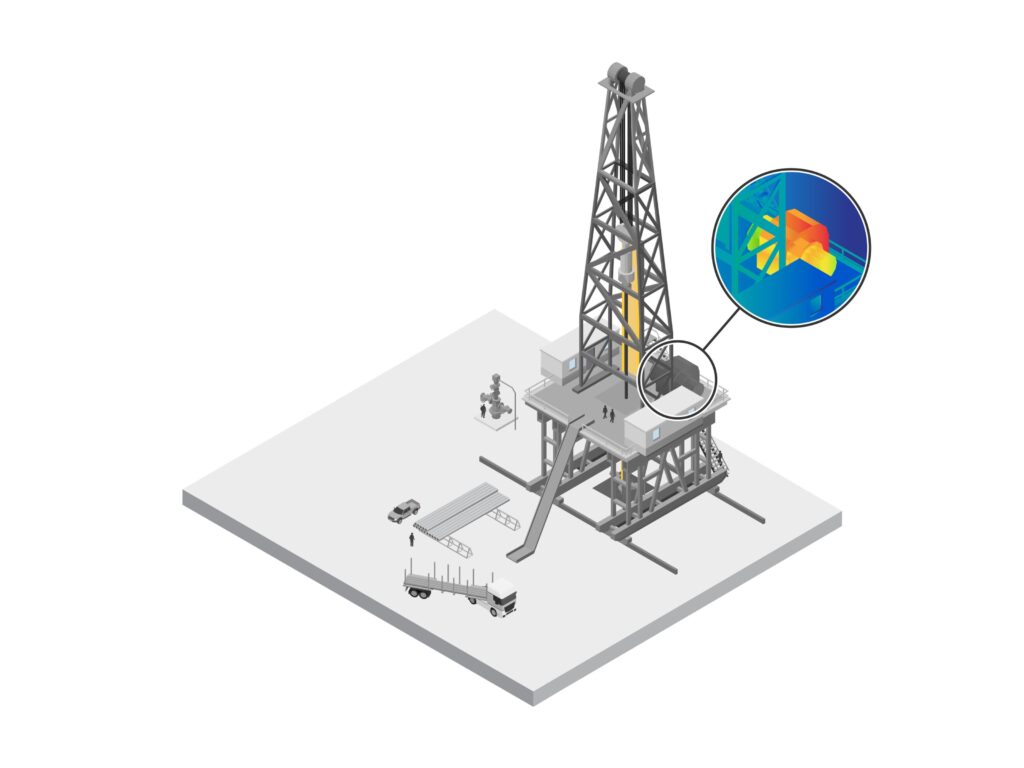
Thermal imaging to support with equipment monitoring
These technologies do not replace SCADA, protection relays, vibration sensors, gas detection or process instrumentation. They complement them. Instrumentation measures a defined variable. Video shows the scene in which that variable changed.
Keeping people in the decision loop
The energy industry continues to automate routine monitoring and response. Automation improves speed, consistency and scale, but it also increases the importance of human oversight.
An automated system can identify an object entering a restricted area. A person can determine whether it is a contractor, wildlife or an intruder approaching critical equipment. Analytics can detect that a worker has fallen or entered a hazardous zone. An operator can review the scene, understand nearby risks and coordinate the appropriate response.
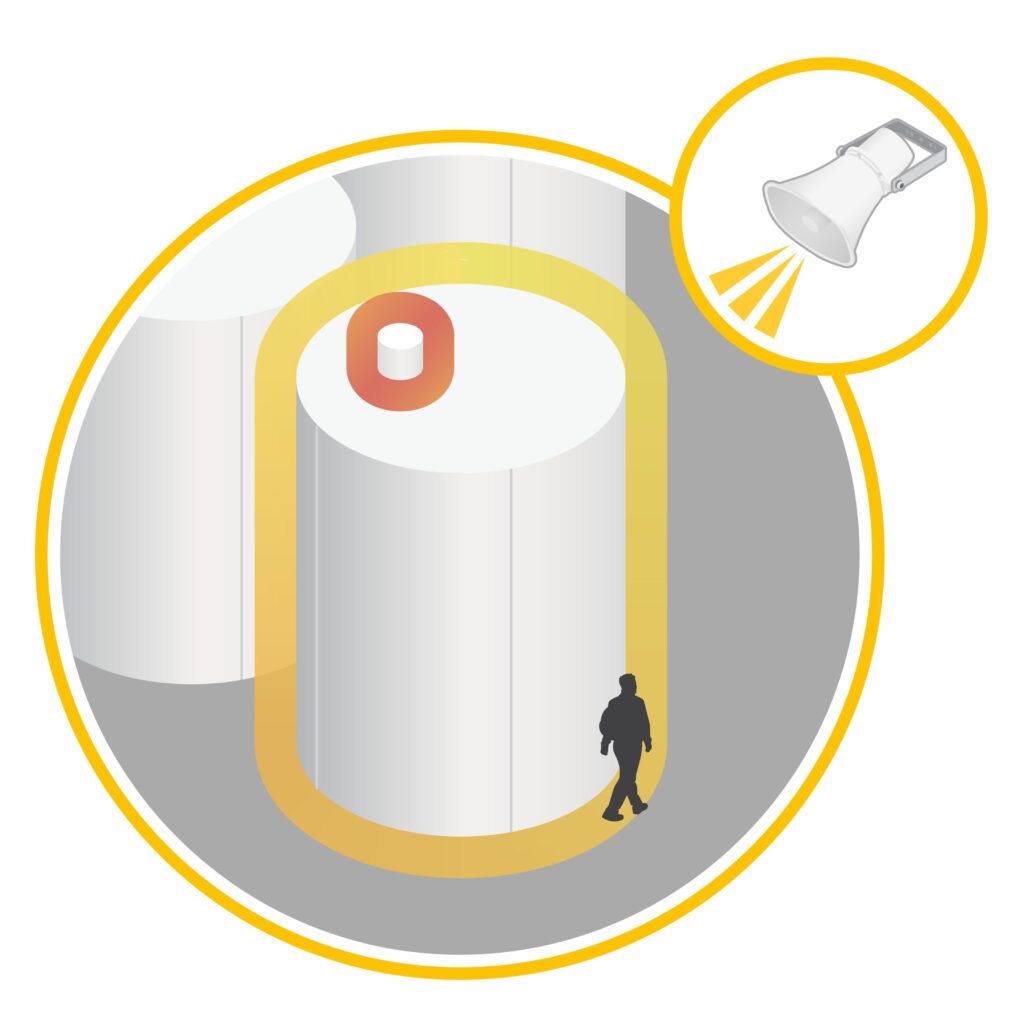
Restricted area alert via IP camera and speaker
Human judgment becomes especially important when several weak signals appear at once. A small temperature rise, a slight change in equipment sound or a visual change such as vapour, vibration or pooling liquid may appear minor on its own. Together, these signals can reveal a developing condition. Visual context helps experienced operators connect them.
Reducing exposure and improving response
Visual monitoring can reduce unnecessary exposure to hazardous environments. Refineries, processing facilities and other energy sites may contain combustible gases, dust, extreme temperatures, moving equipment or high-voltage infrastructure. Explosion-protected cameras allow teams to monitor processes, verify gauges and sensor readings, and inspect conditions remotely in areas that require certified equipment.
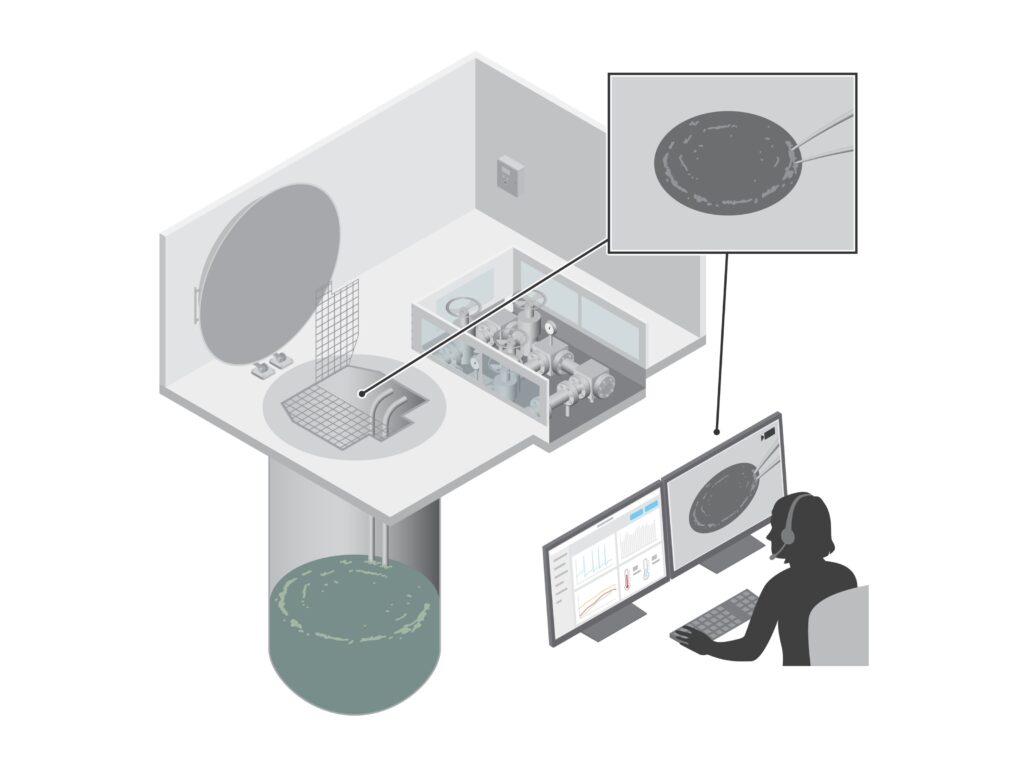
Real-time alerts and monitoring with security technology
Remote visibility can help an organization decide whether a site visit is necessary, how urgent it is and what expertise the responding team requires. That can reduce avoidable truck rolls while improving necessary ones. Instead of sending a general maintenance team to investigate an unexplained alarm, the operator may identify an electrical issue, mechanical obstruction or security breach before anyone leaves the control centre.
During an incident, live video can help responders locate personnel and monitor changing conditions without placing more people in harm’s way.
Designing for usable intelligence
Simply installing more cameras will not solve an information problem. Energy organizations need to design visual monitoring around clear operational questions.
What conditions should trigger a visual check? Which assets require optical, thermal or thermometric coverage? Who receives the alert? What information should appear on the operator’s screen? How will the system integrate with existing platforms and workflows?
Cybersecurity must shape the design from the beginning. Connected cameras form part of the wider technology environment, so organizations should apply strong device management, access control, firmware maintenance, network segmentation and lifecycle practices. The goal is to build a trusted and manageable layer within the monitoring architecture.
Operators also need useful alerts rather than more noise. Edge-based analytics can process events within the camera and forward relevant information, helping teams focus on conditions that require attention. Open integration can allow video, metadata and alarms to work with video management, access control and operational platforms.
A fuller picture of infrastructure
The future of energy monitoring will rely heavily on automation, analytics and connected systems. Energy infrastructure spans too many assets, locations and variables for people to watch everything manually.
But greater automation does not eliminate the human factor. It changes the information people need.
Operators make better decisions when they can move from a number to a scene, from an alert to an explanation and from a suspected problem to a verified condition. Visual context helps them interpret anomalies, investigate unexpected events and confirm root causes before small issues become costly failures.
The strongest monitoring strategy does not ask organizations to choose between instrumentation and video. It brings them together. Sensors tell us that something changed. Visual intelligence helps us understand what that change means.
John Vellone is the A&E Program Manager with Axis Communications. He has more than 30 years of experience in the systems integration industry, specializing in IoT, video over IP, and network design for integrated technology deployments. John is CTS certified, holds Dante Level 3, SDVoE Design, and ACP certifications. He is an HDBaseT Certified Trainer and is pursuing a university certificate in Networking and Cybersecurity at UQAM.
Share This: