CDN NEWS |
  US NEWS







- PJM forecast record demand of 166.2 gigawatts at about 6 p.m. EDT Thursday
- Wholesale power costs rose 68% to $40 billion in the first five months, PJM watchdog says
- Data center demand accounted for $3.8 billion of the $16.25 billion year-over-year cost increase
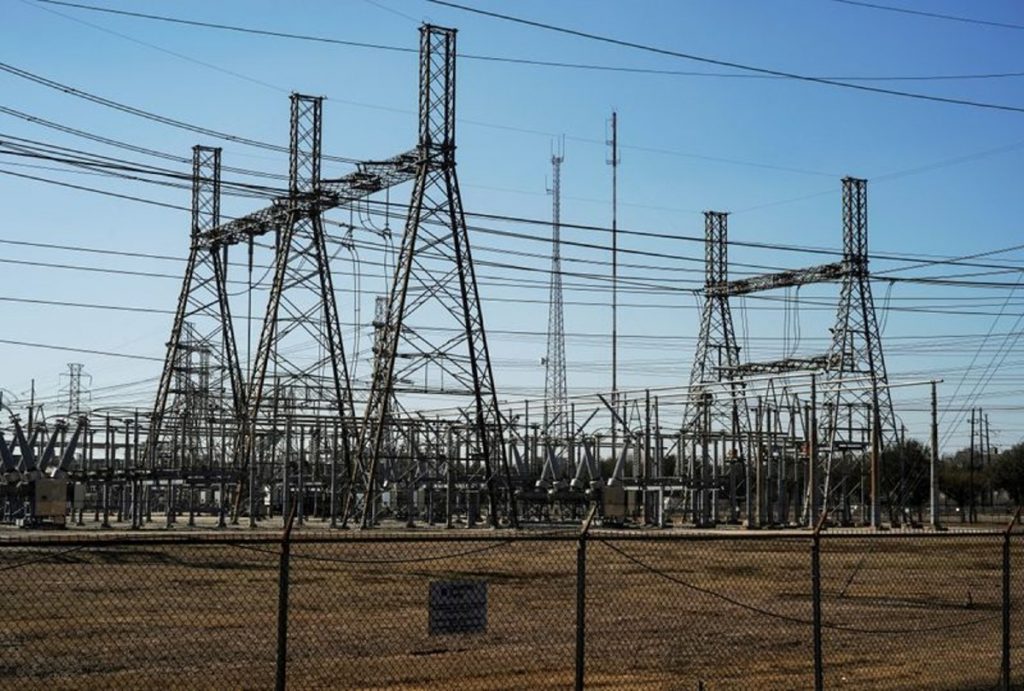
BOSTON, July 2 (Reuters) – Largest U.S. power grid PJM on Thursday braced for record-setting consumption spurred by a heat dome and the boom in data centers by re-routing massive traffic jams on power lines and dispatching costly fossil fuel plants to avert outages.
PJM expected sweltering heat approaching 100 degrees Fahrenheit (38 degrees Celsius) to break the system’s 20-year-record for demand about 6 p.m. EDT Thursday. The latest forecast for peak power consumption is 166.2 gigawatts (GW), which would top the record of 165.6 GW. PJM says it has the capacity to meet the challenge.
While power-hungry data centers strain PJM’s grid this week, the operator’s overall cost of running a system for 67 million people has increased nearly 70% this year, or by more than $16 billion, according to the latest report from PJM’s independent market monitor.
Booming demand from data centers accounted for $3.8 billion, or about 23% of the total $16.25 billion year-over-year increase in wholesale power costs across the grid, according to Monitoring Analytics estimates.
PJM’s total cost of wholesale power was $40 billion during the first five months of this year, up 68% from $23.8 billion in the year-earlier period, according to the market monitor’s report..
Costs tied to keeping reserve coal and gas plants available on PJM’s congested grid nearly doubled in the first five months of 2026, with so-called uplift payments rising to $1.1 billion rom $531 million a year earlier, according to Monitoring Analytics.
PJM said it is working with state and federal policymakers to increase the supply of generation capacity while managing the introduction of new data centers and other large loads onto the system without unfairly impacting consumers.



“PJM is taking a set of coordinated actions to bring new resources online faster where possible, maintain reliability while supporting economic growth, and improving how we plan for demand growth,” the grid operator said in statement.
Looking ahead, PJM has no spare capacity to support new demand beyond next year, analysts at global consulting firm ICF told Reuters. NYISO, the power grid operator for New York state, could face similar constraints within the next few years, the analysts said.
This week, heavy power line congestion in northern Virginia, home to the largest collection of data centers in the world, has contributed to price spikes of more than $2,000 per megawatt hour, according to PJM operations data.
But those costs do not show up immediately in the monthly bill of a residential customers. But if wholesale prices stay elevated for months or years, electric utilities will eventually cover those higher wholesale costs through higher retail rates or supply charges.
About 66% of U.S. electricity consumers are exposed to power purchased through wholesale markets, according to the U.S. Federal Energy Regulatory Commission.
“When the largest grid operator in the country is flagging price spikes and warning on record demand in the same breath, that’s a signal homeowners can’t afford to ignore,” said Trevor Guilday, an energy conservation expert and founder of EcoGen America.
“Upgrading insulation, switching to energy-efficient appliances, or installing residential solar aren’t just green choices anymore. They’re practical financial defenses against a grid that’s under real strain.”
Reporting By Tim McLaughlin Editing by Nick Zieminski
Share This: