CDN NEWS |
  US NEWS







By Courtney Subramanian, Jennifer A Dlouhy, and Arsalan Shahla
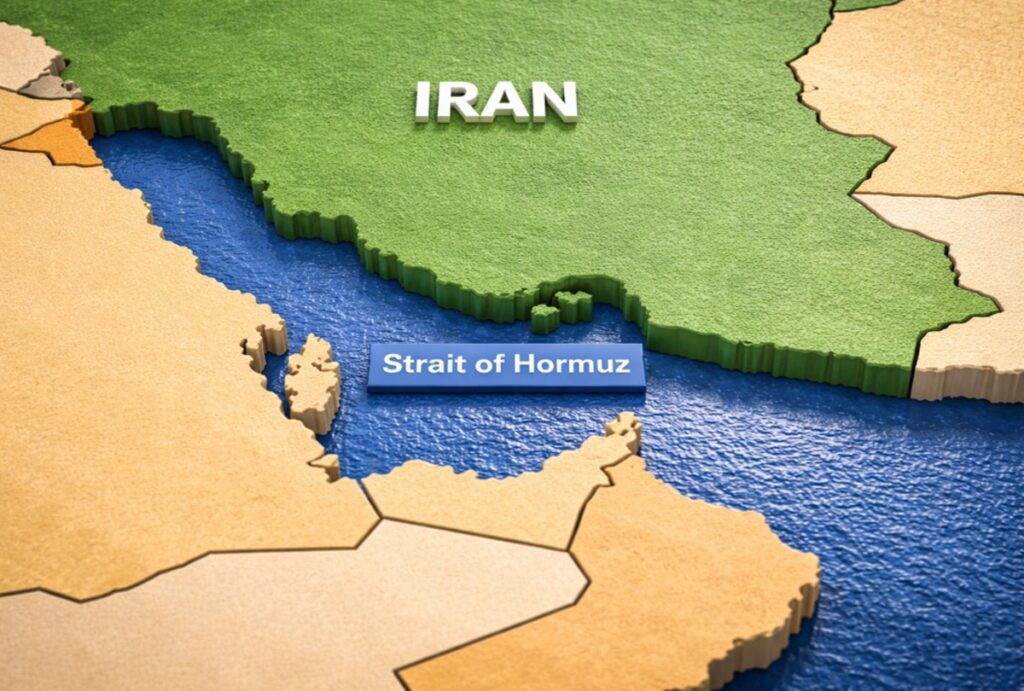
US President Donald Trump indefinitely extended a ceasefire with Iran after the two sides failed to meet for more peace talks, with the war developing into a game of brinkmanship over the critical Strait of Hormuz.
Trump said Pakistan, the main mediator between the warring sides, asked the US to hold off on a threatened resumption of airstrikes, after Tehran said it wouldn’t attend the planned negotiations in Islamabad. The truce announced on April 7 will stay in place until Iran submits a new proposal “and discussions are concluded, one way or the other,” Trump said on Truth Social late Tuesday.
While that means the US-Israel alliance and Iran won’t immediately return to fighting a war that’s killed thousands of people and sent energy prices soaring, there’s still no sign the vital Hormuz waterway will be reopened to oil and liquefied natural gas shipments soon.
Trump maintained a naval blockade of ships going to and from Iran’s ports, which Iranian Foreign Minister Abbas Araghchi called a violation of the ceasefire, while Tehran is keeping the strait closed to almost all other international traffic. Iranian gunboats fired on two ships in the strait on Wednesday, maintaining their grip on the channel.
The standoff over Hormuz extends the choking of the transit point for about a fifth of the world’s oil and LNG supplies to almost two months, increasing the risk of a global inflation crisis.
Read More: Iran Gunboats Menace Hormuz as Its Own Tankers Test US Blockade
Trump’s comments came just after planned talks between Vice President JD Vance and Iranian delegates were called off. While the president had said on Monday he was highly unlikely to lengthen the ceasefire beyond a late Wednesday expiry date, he is under mounting pressure from Americans, who largely oppose the war, to reduce fuel prices.
Read More: Iran Satellite Data Reveal Scope and Scale of US-Israeli Strikes
Trump “cornered himself” because he doesn’t want a return to combat, said Alex Vatanka, a senior fellow specializing in Iran at the Middle East Institute. “He has made a strategic error of thinking that shouting louder and louder at the Iranians is going to pay off. This is not going to work with this regime. Pressure works much better quietly than publicly.”
The US president blamed divisions among the Islamic Republic’s leaders for the need to extend the truce. Aside from Hormuz, the sides remain far apart on longer-term issues such as the status of Iran’s nuclear and missile programs, and its support for militant groups across the Middle East.
Iran says it will not reopen the Strait of Hormuz — effectively shut since the start of the war at the end of February — or restart peace talks until the US naval blockade ends.
On Wednesday morning, Iran’s envoy to the United Nations said the country had “received some sign” the US was ready to lift the blockade, without giving further details.
“As soon as they break this blockade, I think that the next round of the negotiations will take place in Islamabad,” Amir-Saeid Iravani was cited as saying by Iran’s semi-official Tasnim news site.
Read More: Iran Tankers Go Dark to Sail Past US Blockade Laden With Oil



While the US Navy fired upon and seized an Iranian cargo ship in the Gulf of Oman on Sunday, at least two fully laden Iranian tankers have sailed out of the Persian Gulf and past the blockade this week. The exit of the tankers demonstrates the limits of US efforts to curb Tehran’s crude exports.
Figures from data intelligence firm Vortexa suggest at least 34 Iran-linked tankers and natural gas carriers have made their way through the strait and the US blockade line. Meanwhile, Iran’s Islamic Revolutionary Guard Corps seized the MSC Francesca and another ship identified as “Epaminodes” for “endangering maritime security” and “tampering with navigational systems,” semi-official Tasnim news reported.
Oil climbed on Wednesday, with Brent briefly trading back above $100 a barrel. Futures for the benchmark are up 37% since the war started, pushing US gasoline pump prices to the highest level in almost four years.
Vance had been set to travel to Pakistan on Tuesday to resume talks, but representatives from Tehran refused to attend, citing what they said were unreasonable American demands. Tasnim earlier reported there was currently no prospect of Iran participating in negotiations.
Trump’s announcement of an indefinite ceasefire struck a markedly different tone from earlier in the day. “I expect to be bombing” if Iran doesn’t meet US conditions and the military is “raring to go,” he told CNBC.
Meanwhile, Israel and Lebanon are set to resume direct talks on Thursday in Washington. Mike Huckabee, the US ambassador to Israel and a Trump ally, is expected to attend them, according to a State Department official.
Israel and Hezbollah, an Iran-backed group based in Lebanon, started a parallel war in early March. Trump announced a ceasefire last week that ends on April 26. While Hezbollah, designated a terrorist organization by Washington, isn’t formally part of it, the truce has broadly held, despite each side accusing the other of fresh attacks. Trump is keen for a wider deal to end that conflict.
The US and Iran have engaged in a tense back and forth since the two sides announced a two-week truce on April 7.
There was confusion last week when Araghchi announced the Strait of Hormuz had been reopened for all commercial vessels. Iran soon backtracked when it became clear the US blockade would remain in place.
Read More: Why Unlocking the Strait of Hormuz Is Proving So Difficult
Some members of the Iranian government and military leadership, including those at the top of the powerful IRGC, took the continuation of the US blockade as a further signal that Trump can’t be trusted, according to US and Iranian officials.
The IRGC’s leader, Ahmad Vahidi, is among those in that camp and is pushing for a tough negotiating stance, people familiar with the dynamics said.
The UK and France are holding a summit of military planners from more than 30 countries this week to discuss how Hormuz can be kept open once the Iran war ends. UK Prime Minister Keir Starmer and French President Emmanuel Macron have been leading efforts to coordinate a plan. They’ve resisted Trump’s request for allied nations to reopen the strait by force.
A previous round of talks between the US and Iran in Islamabad in mid-April ended after American officials said Tehran wasn’t willing to accept limits on its nuclear program. Iran, which was led at the meeting by Parliament Speaker Mohammad Bagher Ghalibaf, argued the US made a series of demands it could not meet.
— With assistance from Hadriana Lowenkron, Devika Krishna Kumar, Jeff Mason, Eltaf Najafizada, Eric Martin, Michelle Jamrisko, Dan Williams, Michael Cohen, John Harney, and Weilun Soon
(Updates with Iran foreign minister comment in fourth paragraph. A previous version corrected the spelling of data intelligence firm Vortexa in the 12th paragraph.)
Share This: