CDN NEWS |
  US NEWS







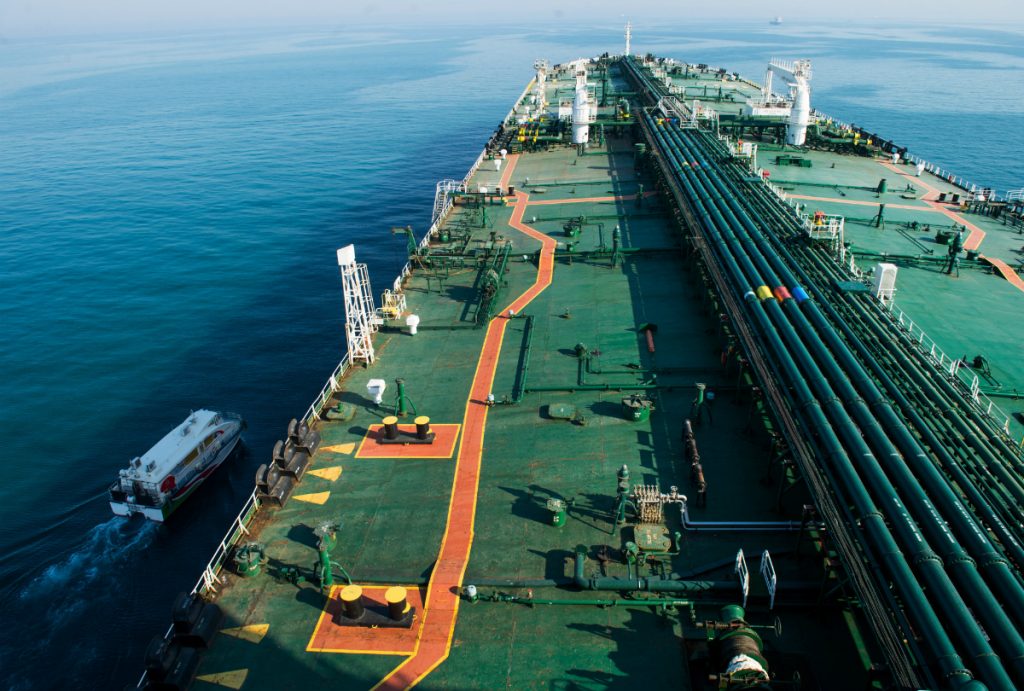
April 7 – Governments worldwide are trying to shield consumers from soaring energy costs resulting from the U.S.-Israeli war on Iran.
Here’s how different countries are responding:
INDIA
- India will review its fuel exports if needed to ensure availability in the local markets, a government official said.
- India is assessing fuel-supply requests from its neighbours and will approve exports only if it has surplus volumes, the foreign ministry said.
- The country has barred consumers with piped natural gas from retaining, obtaining or refilling domestic liquefied petroleum gas cylinders. It is also strengthening infrastructure to expedite a shift towards piped gas.
- It has invoked emergency powers and directed refiners to maximise production of LPG, widely used for cooking. It cut sales to industry to avoid a shortage for 333 million homes with LPG connections.
SOUTH KOREA
- South Korea is easing limits on coal-fired power generation capacity and raising nuclear power plant utilisation to as high as 80%.
- It is considering additional energy vouchers to support vulnerable households.
- It has begun enforcing a ban on naphtha exports to boost domestic supplies.
CHINA
- China has banned refined fuel exports to pre-empt a potential domestic fuel shortage, four sources said.
- It is also releasing fertiliser supplies from national commercial reserves ahead of spring planting.
AUSTRALIA
- Australia is releasing petrol/gasoline and diesel from domestic reserves to ease shortages affecting rural supply chains as well as mining and agriculture.
- Its prime minister warned the economic shocks of the war would be felt for months and encouraged citizens to take public transport.
JAPAN
- Japan’s industry ministry said it will relax rules for one year to increase the use of coal-fired power plants in the fiscal year starting April.
- Japan called on the Group of Seven wealthy nations and the International Energy Agency to be ready to take further flexible measures to stabilise energy markets if the Iran war drags on.
- Japan has asked Australia, its biggest supplier of liquefied natural gas, to boost output.
- The country plans to increase imports of intermediate chemical products such as plastics, as it faces tighter naphtha supplies due to the conflict.
EUROPEAN UNION
- European Union leaders called for temporary measures to mitigate the impact of a surge in energy prices, with electricity tax cuts, lower grid fees and state support put forward as possible short-term fixes.
BANGLADESH
- Bangladesh is seeking billions in external financing to secure fuel and liquefied natural gas imports.
SERBIA
- Serbia will cut excise duties on crude oil by a cumulative 60% to calm the local market.
- It has also extended a ban on crude oil and fuel product exports to safeguard its market from shortages and price spikes.
ITALY
- Italian Prime Minister Giorgia Meloni has said Italy is considering cutting excise duties to soften fuel prices and is ready to raise taxes on firms responsible for unduly capitalising on the energy crisis.
SPAIN
- The Spanish Prime Minister said parliament is expected to vote on measures proposed by the cabinet to help citizens weather the economic fallout, including lowering fuel and electricity taxes and granting fuel subsidies to sectors most exposed to energy price spikes.
ARGENTINA
- The government has issued a decree to delay the effects of scheduled increases in taxes on liquid fuels and carbon dioxide.
CAMBODIA
- Cambodia is importing more fuel from suppliers in Singapore and Malaysia to make up for supply shortfalls from Vietnam and China.
MALAYSIA
- Malaysia will raise spending on petrol subsidies to 2 billion ringgit ($510 million) from 700 million ringgit to maintain the fixed price of the fuel.
- The government said it is applying measures to shore up fertiliser supply amid a domestic supply crunch.
- The government has also announced steps to address supply disruptions – while warning that energy supplies may run out by the end of May – including central bank support for companies, efforts to diversify energy sources and secure inputs, enhanced data monitoring of vulnerable sectors, and a special access pathway for critical medicines and medical devices.
THAILAND
- Thailand has discussed with the Russian government the possibility of purchasing crude oil, a deputy prime minister said.
- The minister also said the government would try to cap domestic diesel prices at 33 baht ($1.02) per litre.
- The Thai Planning Agency said the government will freeze prices of some goods and provide support for farmers.
GREECE


- Greece will offer subsidies for fuel and fertilisers and ferry ticket discounts worth a total 300 million euros ($346 million) in April and May to shield consumers and farmers, Prime Minister Kyriakos Mitsotakis said.
ROMANIA
- The government said it would reduce excise tax on diesel by 0.30 lei ($0.0679) per litre.
SLOVENIA
- Slovenia temporarily limited fuel purchases to tackle shortages at the pump caused in part by cross-border fuelling and stockpiling.
PHILIPPINES
- The Philippines’ energy market regulator said it had suspended the country’s wholesale electricity spot market across all its three grids until further notice due to fuel supply risks and price volatility.
- It also plans to curb power bills as LNG prices surge by boosting coal-fired power generation and regulating electricity tariffs.
- The Philippines is working with Washington to secure waivers and exemptions that will allow it to obtain oil from U.S.-sanctioned countries and guarantee supplies.
- The Philippine energy ministry said it was activating a 20 billion peso ($333 million) emergency fund to strengthen fuel security amid continued volatility in oil prices.
VIETNAM
- Vietnam will switch fully to ethanol-blended gasoline earlier than planned as part of its efforts to curb fossil fuel use, a government document showed.
SINGAPORE
- The prime minister said the government will bring forward some support measures announced at this year’s budget to cushion the impact of the conflict on households and businesses.
INDONESIA
- President Prabowo Subianto wants to increase the country’s coal production, and the government is considering a windfall tax on exports.
- Indonesia will start implementing the B50 biodiesel programme on July 1. The implementation of B50 – a blend of 50% palm oil-based biodiesel and 50% conventional diesel – is part of a wider government programme to mitigate Iran war risks.
SOUTH AFRICA
- South Africa will reduce its fuel levy for one month to stop fuel prices rising even further in April.
BRAZIL
- Brazil is rolling out a new plan to help states subsidise diesel imports. Earlier in March, the government scrapped federal taxes on diesel and imposed a 12% tax on oil exports.
EGYPT
- Egypt has capped the price of unsubsidised bread sold in private bakeries.
- It will raise the local wheat procurement price to 2,500 pounds ($46.76) per ardeb (150 kg) for this year’s harvest, as it moves to increase stocks of strategic commodities.
ETHIOPIA
- Ethiopia has increased fuel subsidies.
NORTH MACEDONIA
- The North Macedonian government on March 22 decided to cut VAT on fuel to stem the price hike at the pump. The VAT on gasoline and diesel will be cut from 18% to 10%, Prime Minister Hristijan Mickoski told local media. The measure will come into effect on March 23 at midnight and will be in effect for two weeks.
MAURITIUS
- Mauritius said it would introduce energy-saving measures. Restrictions announced include curbs on grid power for non-essential uses such as decorative lighting, swimming pool heating and fountains, the government said.
NAMIBIA
- Namibia’s government will temporarily reduce fuel levies by 50% for at least three months until the end of June in a bid to protect consumers from higher pump prices.
NIGERIA
- Nigeria’s Dangote refinery, the largest in Africa, has increased exports of gasoline and the widely used chemical urea to African countries hit by supply disruptions caused by the war.
SRI LANKA
- Sri Lanka will introduce additional fuel-rationing measures to shorten queues and secure extra oil supplies, a senior official said.
POLAND
- Poland is working on a solution to lower fuel prices which may involve lowering VAT, its finance minister said.
Reporting by Katha Kalia, Ashitha Shivaprasad, and Anjana Anil in Bengaluru. Editing by Barbara Lewis, Alex Richardson, Mark Potter and Hugh Lawson
Share This: