CDN NEWS |
  US NEWS







The huge relief rally across global markets and oil price plunge sparked by the ceasefire in the Iran war are no surprise. What follows, once the initial euphoria dissipates, is far less certain – and far less rosy than investors seem to believe.
And the euphoria should dissipate pretty quickly. Leaving aside the very real possibility that the two-week ceasefire doesn’t hold and oil snaps back above $100 a barrel, the economic damage wrought by the last six weeks will linger for a long while.
Will it torpedo stock market bulls’ optimism that the underlying growth and earnings outlooks remain broadly solid, or their faith that the TACO – “Trump always chickens out” – trade will always provide an opening to push risk assets higher?
Perhaps not. The Nasdaq on Wednesday returned to where it was before U.S. and Israeli forces attacked Iran on February 28, and the S&P 500 isn’t far behind. This “buy the dip” mentality has consistently pulled Wall Street through a series of shocks going back to the “Liberation Day” tariff turmoil a year ago.
But markets may be getting ahead of themselves.
“Normal will look very different from pre-conflict, and normalization of energy supply, inflation and growth, and monetary policy will take many months to be clear,” TD Securities strategists wrote on Wednesday.
LONG ROAD TO RECOVERY
It’s a reasonable position to take.
You can be sure the prices of gasoline at the pump, jet fuel, utilities, and fertilizer won’t come down in the next six weeks as quickly as they went up in the last six weeks. Households and companies face much higher energy costs than they were facing on February 27, and that is sure to squeeze spending and profits.
U.S. crude oil may be 20% off its war peak last month, and Wednesday’s drop was its biggest daily fall in five years. But it is still 40% more expensive than it was before the war broke out and, crucially for the wider inflation outlook, is also some 60% higher today than it was a year ago.
Annual U.S. inflation for the rest of this year is unlikely to be below 3% very often – there’s probably more chance of 4% coming into view than the Federal Reserve’s 2% target – as the pass-through to utility, food and goods prices takes effect.
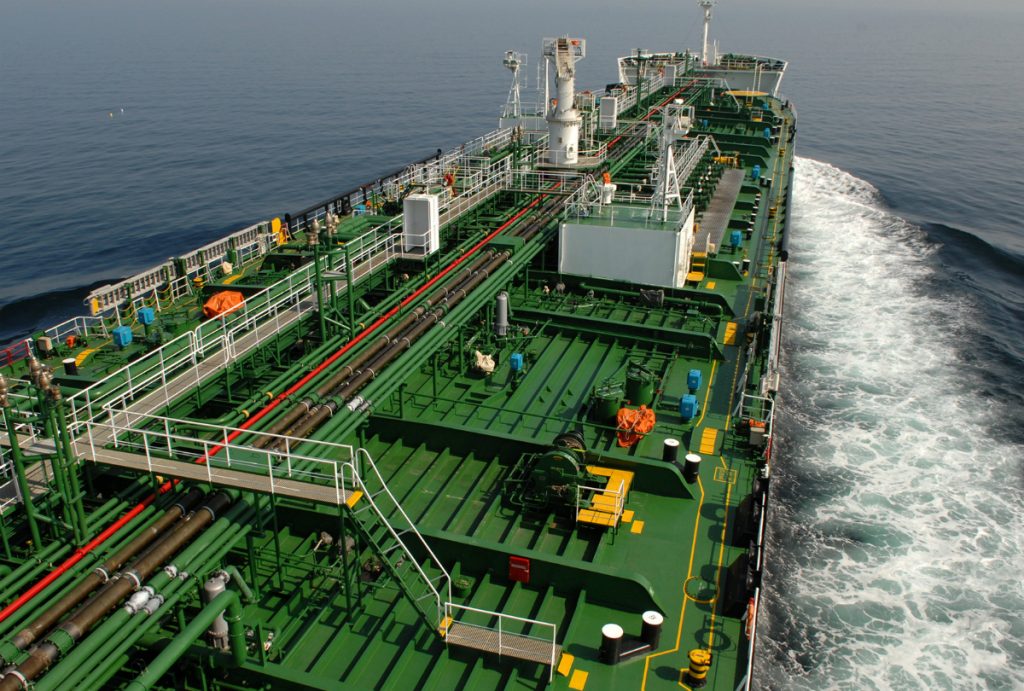
For any meaningful oil price relief, experts reckon at least 10 million barrels per day will need to be passing through the Strait of Hormuz, or half pre-war levels. That’s very unlikely to happen any time soon.


The economic shock goes beyond oil prices.
Stagflationary pressures will be stronger than they were before the war, perhaps significantly so. Governments’ fiscal positions, on aggregate, have deteriorated too, as crisis spending and debt servicing costs have risen.
Policy uncertainty is likely to remain elevated, with central banks less inclined to lower interest rates and some now more likely to raise them. Minutes of the Fed’s March 17-18 policy meeting released on Wednesday brought that into sharp focus.
“This (war) will be a material shock to what had been a resilient global economy,” said David Skilling at Independent Economics.
ONLY CERTAINTY IS UNCERTAINTY
Beyond energy and inflation, broader policy uncertainty is higher since U.S. President Donald Trump’s 2024 election victory as the U.S. policy uncertainty index clearly shows. Forecasting, planning, and decision-making for economic agents across the spectrum are more difficult – and riskier.
That backdrop makes next week’s International Monetary Fund and World Bank Spring Meetings in Washington all the more significant.IMF research shows large-scale wars typically lead to more persistent economic damage than other shocks – like sovereign debt, banking, or currency crises – and not only in countries directly engaged in the conflict.
Investors with a shorter-term horizon may ignore these issues. A cessation in hostilities, no matter how fragile it might be, is clearly positive for risk/reward.
“That said… we are not ‘all in’ on risk, (and) would not chase the S&P 500 higher,” says Stuart Kaiser, head of equity trading strategy at Citi.
Given how risky the economic terrain is, treading with caution seems like wise counsel.
The opinions expressed here are those of Jamie McGeever, a columnist for Reuters
By Jamie McGeever; Editing by Marguerita Choy
Share This: