CDN NEWS |
  US NEWS







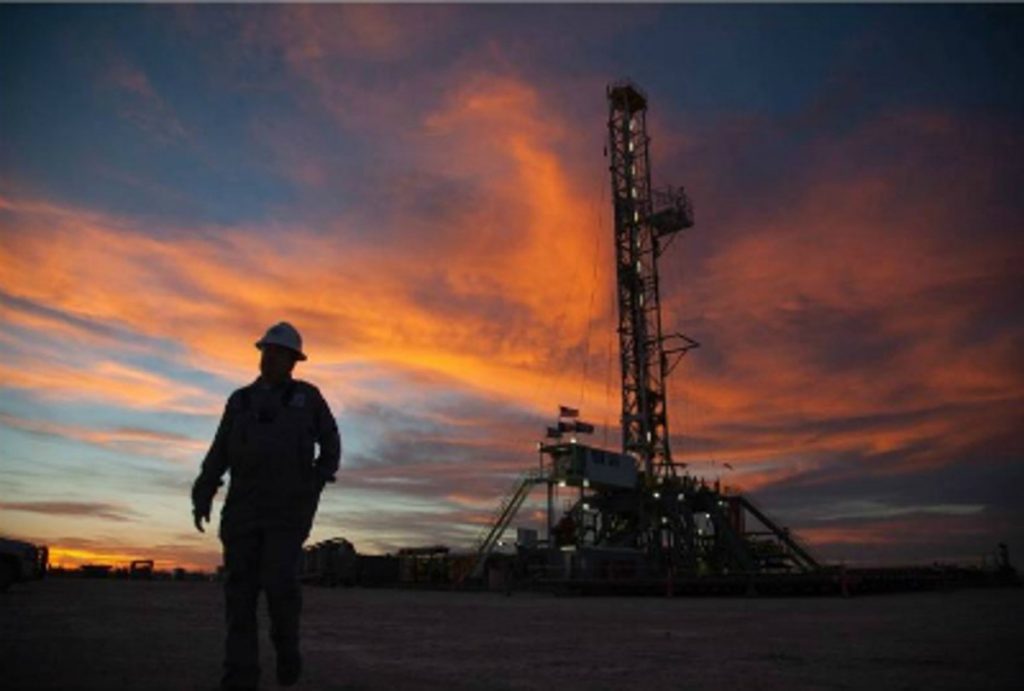
(Reuters) – U.S. spot natural gas prices for Thursday at the Waha Hub in the Permian Shale in West Texas closed in negative territory for a record 25th straight day as pipeline constraints trap gas in the nation’s biggest oil-producing basin, prompting some analysts to project that gas production could be reduced in the short term. Longer-term, energy firms will likely boost Permian output when more gas pipes enter service as soaring oil prices from the Iran war encourage oil and associated gas production, and as gas demand rises to feed fast-growing U.S. liquefied natural gas (LNG) exports and to produce electricity for power-hungry data centers running artificial intelligence (AI) technologies.
Analysts have long said negative prices, which force some energy firms to pay others to take gas associated with their oil production, were a sure sign that the Permian region, which spans West Texas and eastern New Mexico, needs more gas pipes.
More pipes are on the way this year, but not soon enough to handle all the gas currently coming out of the ground.
“Continued negative pricing in the Permian is expected for much of the spring. As regional production likely ebbs lower, it may dent national-level headline output in tandem in coming weeks,” analysts at consultancy EBW Analytics Group said in a note. Permian gas output has hit record highs every year since around 2013, according to U.S. Energy Information Administration (EIA) data going back to 2009, reaching 27.7 billion cubic feet per day (bcfd) in 2025 – enough to supply over a quarter of U.S. demand. One billion cubic feet of gas is enough to supply about five million U.S. homes for a day.
Gas production in the basin has climbed by around 12% a year on average over the past five years (2021-2025), making the Permian the fastest-growing and second-biggest gas-producing shale basin in the country behind the Marcellus/Utica Shale in Appalachia in Pennsylvania, Ohio and West Virginia.
But gas output growth in the Permian is expected to slow to around 4% a year on average in 2026 and 2027, according to EIA’s latest estimates.


“Longer term… higher oil prices encouraging more oil production and future associated gas suggests a huge supply tailwind as new Permian pipelines come online in the back half of 2026,” EBW said.
NEGATIVE PRICES
Energy firms in the Permian have been willing to take some losses on gas because they can make up for those with profits from selling oil. Negative gas prices were not very common a decade ago when environmental rules were less strict and many drillers could flare or burn off some of their unwanted gas.
But in recent years, that gas has become increasingly valuable as a fuel to generate electricity used by power-hungry U.S. data centers and for export via pipeline to Mexico and as LNG to markets around the world.
In the U.S. cash market, average prices at the Waha Hub fell to minus $6.34 per million British thermal units (mmBtu) for Thursday, down from minus $5.40 for Wednesday and a record minus $7.15 for Tuesday.
Daily Waha prices first averaged below zero in 2019. They did so 17 times in 2019, six times in 2020, once in 2023, a record 49 times in 2024, 39 times in 2025, and 34 times so far this year.
Waha prices have averaged a negative 37 cents per mmBtu so far in 2026, compared with $1.15 in 2025 and $2.88 over the past five years (2021-2025).
Reporting by Scott DiSavino
Share This: