CDN NEWS |
  US NEWS







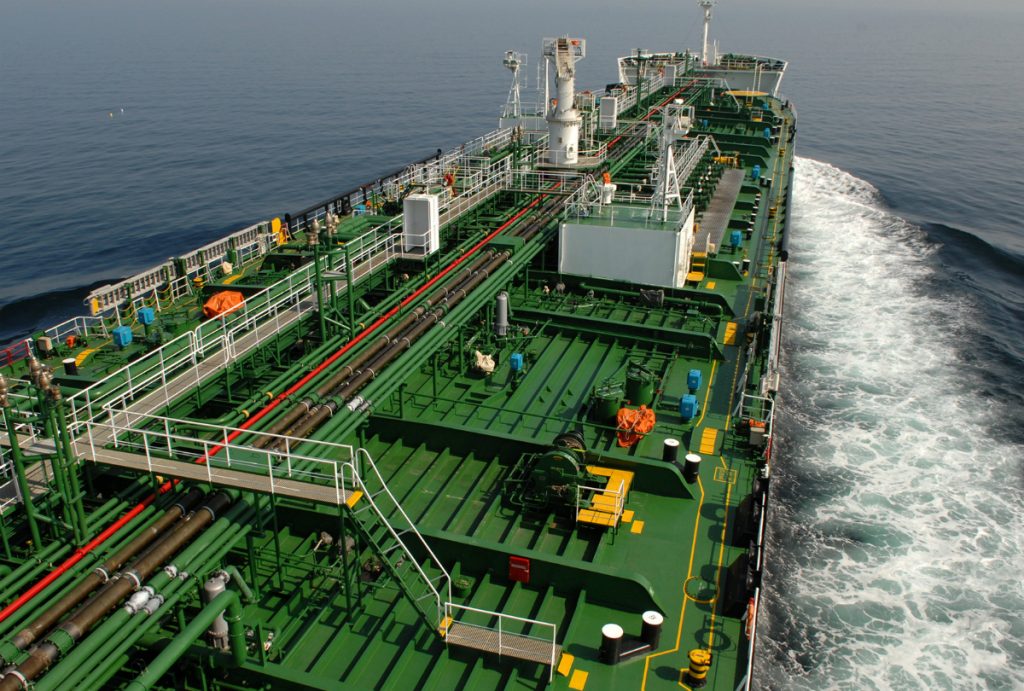
(Reuters) – President Donald Trump will review a set of policy options on Tuesday aimed at controlling energy prices during the escalating Middle East conflict, including a proposal for the U.S. government to help oil tankers in the region obtain insurance, two sources said. Global crude prices have spiked since Israeli and U.S. forces began striking Iran over the weekend, leading to fighting that has interrupted Middle East oil tanker shipments. Treasury Secretary Scott Bessent and Energy Secretary Chris Wright were expected to meet with Trump on Tuesday afternoon to present a list of proposals to address the issue and finalize a response, the sources said on condition of anonymity.
Trump has made lowering energy prices a centerpiece of his economic messaging, arguing that cheaper fuel is key to easing inflation and supporting consumer spending.
Trump told reporters on Tuesday that Americans may have to live with higher oil prices for a short period, “but as soon as this ends, those prices are going to drop, I believe, lower than even before.”
If higher energy prices persist, it could undermine efforts by lawmakers in Trump’s Republican Party to retain power in the U.S. midterm elections in November.


Oil shipments have been largely blocked through the Strait of Hormuz, a narrow waterway between Iran and Oman through which around a fifth of the world’s oil is shipped, with a number of tankers damaged by strikes and others stranded. Shipping companies and insurers have begun reassessing their exposure to the region. War-risk premiums have jumped and some providers have scaled back or withdrawn coverage, industry sources say. Higher insurance costs have made it more expensive for tankers willing to risk traveling through the area, prompting some operators to delay voyages or seek alternative routes.
U.S. support for tanker insurance is not unprecedented. During the Iran-Iraq conflict in the 1980s, Washington reflagged tankers and provided naval escorts when private insurers withdrew coverage. After the September 11, 2001, attacks, the U.S. issued insurance policies to keep shipping moving amid elevated war-risk premiums.
Secretary of State Marco Rubio told reporters on Monday the U.S. has a “program in place” to fight rising energy prices and that it would be implemented by Wright and Bessent. “Starting tomorrow you will see us rolling out those phases to try to mitigate against that,” Rubio said. He provided no details.
The administration has been reluctant to tap the nation’s Strategic Petroleum Reserve, but officials could signal as early as Tuesday that they are prepared to use it if prices continue to climb, one source said.
Reporting by Jarrett Renshaw and Timothy Gardner; additional reporting by Nandita Bose; Writing by Richard Valdmanis; Editing by Paul Simao and David Gregorio
Share This: