CDN NEWS |
  US NEWS







Summary
- Expiration of 30% federal homeowner tax credit triggers downturn and layoffs in residential solar
- Installations forecast to drop sharply in 2026, delaying industry recovery
- Installers shifting to third-party ownership models that still qualify for federal incentives
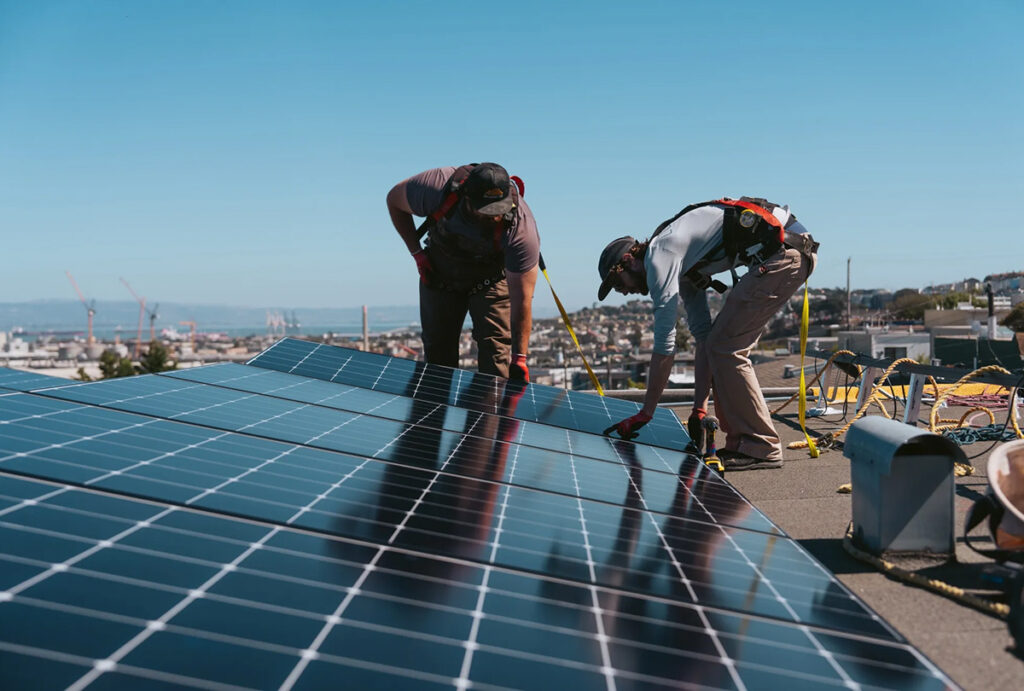
(Reuters) – U.S. residential solar companies are preparing for a steep drop in business this year after the expiration of a federal tax credit that helped drive more than a decade of rapid growth, prompting layoffs, restructurings and some company failures.
The 30% federal income tax credit for homeowners who purchase rooftop systems expired at the end of 2025 under President Donald Trump’s tax overhaul. That has caused the most labor-intensive segment of the solar industry to contract sharply at a moment when it was already weakened by high interest rates and shrinking state-level incentives.
“We’re going to see, between now and July, a very meager market that is going to be struggling to sustain itself,” said Chris Castro, chief sustainability officer at Climate First Bank, which offers solar loans.
Enphase, which produces microinverters that turn solar energy into usable power, said last month it would cut 160 jobs, or 6% of its workforce, and reduce operating costs because of the policy change.
Freedom Forever, the nation’s No. 2 residential installer behind Sunrun, abandoned 10 of its 30 state markets and laid off about 20% of employees, policy director Ben Airth told Reuters.
Other companies have gone bust.
Purelight Power, an Oregon-based installer operating across a dozen states, filed for Chapter 11 bankruptcy protection on December 30, impacting about 200 workers.
And Texas-based TriSMART Solar halted operations at the end of last year, according to employee posts on LinkedIn. Its CEO did not respond to requests for comment.
Trump has enacted widespread cuts to clean energy subsidies since taking office last year, arguing solar and wind power are more expensive and less efficient than fossil fuels and dismissing concerns about climate change.
DIRE PROJECTIONS FOR SOLAR INSTALLATIONS
Solar analytics firm Ohm Analytics last year slashed its forecast for residential solar panel installations due to the loss of the tax credit. It now expects them to decline 20% in 2026, instead of rise 8%.


Wood Mackenzie, meanwhile, predicts installations will fall to their lowest level since 2020 – when the COVID-19 pandemic froze the market – and will not recover until the end of the decade.
That slump could make it harder for the United States to meet rising power demand driven by the proliferation of new datacenters, undermining a key policy goal of the administration, according to industry players.
“This is the easiest and fastest way to support the increased demand,” said Emily Walker, director of content and insights at EnergySage, an online solar marketer which has now diversified into heat pumps and other home energy equipment.
The company said the loss of the federal incentive has lengthened the typical payback period for rooftop systems to about 10 years from around seven and made systems roughly $8,000 more expensive for homeowners.
THIRD-PARTY OWNERSHIP BECOMING MORE POPULAR
One segment of the market, however, remains sheltered: companies like Sunrun that own rooftop systems and sell the electricity to homeowners under subscription-style contracts can still claim a separate federal tax credit and pass savings along to customers.
As a result, many installers that previously catered to cash or loan buyers are now turning to financiers offering such third-party ownership (TPO) models.
“People are looking to save, and that TPO product is the quickest route to do so,” said Zac Hare, vice president of residential sales at Lumina Solar, based in Maryland.
Enphase and Freedom Forever have both launched third-party ownership financing products that allow customers to take ownership of a system after several years of leasing.
Other installers are partnering with companies including IGS Energy and HDM Renewable Finance to offer similar structures.
But some in the industry argue that leasing creates too many complications for homeowners, particularly when selling a property.
“I don’t see the value in a lease to a homeowner,” said Tom Mills, director of technical sales at installer Alpenglow Energy in Park City, Utah.
Share This: