CDN NEWS |
  US NEWS






Across the U.S. energy and industrial landscape, inspection programs are evolving rapidly. In sectors such as oil and gas, petrochemicals, refining, and heavy manufacturing, operators face constant pressure to improve safety, reduce unplanned downtime, and extend asset life.
Facilities are often large, complex, and high-risk environments. Equipment failures can result in costly shutdowns, environmental incidents, and serious safety hazards.
Inspections remain one of the most important tools for protecting asset integrity — but traditional inspection methods are often labour-intensive, inconsistent, and limited by human access.
That’s why autonomous robotic inspection is gaining momentum.
Robotic platforms can now perform routine inspections while capturing rich visual, thermal, and acoustic data, reducing the need for workers to enter hazardous zones. These systems improve consistency and expand inspection coverage across critical infrastructure.
But with more data comes a new challenge:
How do organizations turn inspection data into timely, actionable decisions?
The Shift From Data Collection to Insight
Robotic inspections can generate massive volumes of high-quality data. Yet many teams still struggle with fragmented workflows, manual reviews, or disconnected inspection records.
Without context and comparison over time, inspection results often remain underutilized.
The next step in inspection evolution is not just autonomy — it is intelligence.
This is where platforms such as ANYbotics’ Data Navigator become essential.
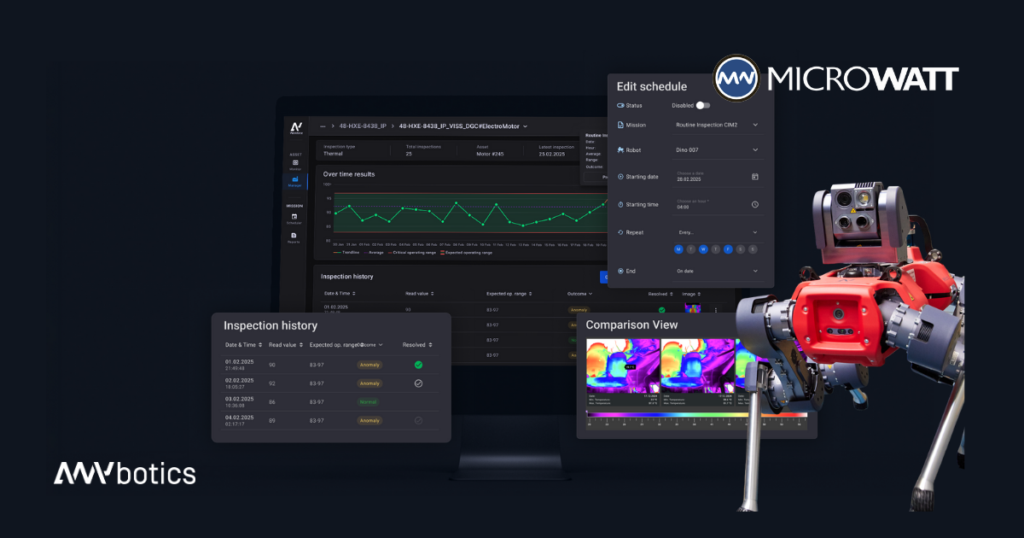
Data Navigator provides a structured way to centralize inspection outputs, analyze trends, and detect anomalies early — bridging the gap between robotic inspection missions and maintenance decision-making.
What Platforms Like Data Navigator Enable
Rather than acting as a simple repository, Data Navigator supports industrial reliability programs by offering:
- Inspection trend analysis, helping teams monitor gradual degradation
- Historical comparisons, turning repeat missions into actionable baselines
- Thermal hotspot and acoustic anomaly detection, enabling earlier fault recognition
- Centralized inspection reporting, supporting audit and compliance requirements
- Remote fleet oversight, allowing operators to manage inspections across multiple robots and sites
This helps teams prioritize intervention before issues reach critical thresholds.
Supporting Predictive Maintenance and Safer Operations
Early identification of abnormal asset behaviour has direct operational value. When problems are detected sooner, maintenance can be planned rather than reactive. Emergency repairs and unexpected downtime can be reduced significantly.
Just as importantly, robotic inspections paired with analytics platforms reduce human exposure to hazardous environments while maintaining continuous visibility into asset health.
Decisions become more objective, traceable, and confident driven supported by documented trends rather than incomplete snapshots.
A Practical Step Toward Smarter Asset Reliability
The adoption of autonomous robotic inspections continues to grow across U.S. industrial facilities. But the organizations that gain the most value will be those that can transform inspection outputs into usable operational intelligence.
Inspection data becomes powerful when it informs action.
Platforms like Data Navigator help enable this shift, from reactive maintenance toward proactive, insight-based asset management.
Interested in applying robotic inspections at your site?
Microwatt supports industrial operators across North America with autonomous robotic inspection deployments and analytics-driven workflows.
Share This: