CDN NEWS |
  US NEWS







The two superpowers are choosing different paths in terms of where to get energy and how to tackle climate change
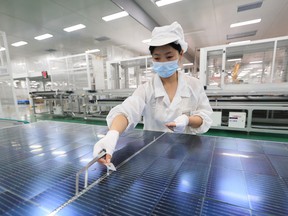
This week’s major climate news played out on a split screen with the world’s two superpowers signalling different paths for the future.
In the United States, the Environmental Protection Agency walked back its own authority to set regulations curbing greenhouse gases from major sources. Meanwhile, in China, initial analysis by the Centre for Research on Energy and Clean Air for Carbon Brief showed that carbon emissions fell 0.3 per cent last year — the first dip to occur since the COVID-19 pandemic.
The decline in China’s emissions, while small, may mark a turning point for the world’s largest polluter. It was driven by factors including strong electric vehicle sales and clean power generation — the result of a decade of increasingly stronger policies aimed at protecting the environment and developing green industries.

In contrast, U.S. emissions increased last year after a two-year decline, according to an estimate released last month by the research firm Rhodium Group. This increase comes as the Trump administration is systematically and aggressively moving to dismantle not only many of former President Joe Biden’s most impactful climate policies, including cutting key pieces of the Inflation Reduction Act, but also decades-old climate rules. The campaign culminated on Thursday in its decision to rescind the so-called endangerment finding, a landmark 2009 scientific determination that greenhouse gases are harmful and which supports a swath of federal climate policy, as well as the repeal of Biden-era greenhouse gas standards for cars and trucks.
China’s climate record remains far from perfect. The country continues to build out its coal-fired power plant fleet to ensure energy security, a rising petrochemical industry threatens to undo climate gains and its pace of decarbonization trails what climate scientists say is required to prevent catastrophic impacts.

But overall, Chinese leaders envision a future in which clean energy dominates while the U.S. is betting on a future powered by fossil fuels. The Trump administration is not only throwing its full support behind increasing coal, gas and oil production, but it’s also actively trying to halt the growth of solar and wind. The juxtaposition is a significant reversal from a decade ago when the Obama administration was coaxing China into joining the Paris Agreement.
In recent weeks, as the White House celebrated the “largest deregulation in American history,” China continued advancing its growing set of climate policies. Beijing took further steps to unify its power market to better integrate renewables, told industries including metals and aviation to prepare to enter its carbon market, and provided energy storage companies with a new subsidy.



When it comes to artificial intelligence, the Trump administration has given companies a green light to secure electricity by any means necessary. This has meant that gas-fired power plant development is soaring. China, on the other hand, requires new data centres to secure 80 per cent of their electricity from clean sources.
In Trump’s tax bill, passed in July, the administration eliminated subsidies for solar, wind and electric vehicles. And this fall, he slashed fuel economy standards that had pushed automakers to go electric. In the U.S., EV sales made up nearly eight per cent of new car sales in 2025, while China’s share surged above 50 per cent. Wind and solar installations in China also hit new highs.
Trump has also pushed to keep coal plants running that had been on track to retire in a bid to revive the dying industry, as well as used his executive power to grant more than 100 companies two-year waivers for a slew of air rules for coal and chemical plants, as well as for other sources of industrial emissions. This is on top of the EPA proposing the rollback of climate rules for power plants.The allowance of more pollutants into the atmosphere is going to have a large impact, especially on the health of children and other highly vulnerable groups, explained Christine Todd Whitman, EPA administrator under President George W. Bush and the former Republican governor of New Jersey. “They’re going to have more heart disease, more asthma, more lung problems,” she said.

Meanwhile, China has clocked significant progress through campaigns to reduce air pollution in the smoggiest regions — Beijing for instance saw pollution decline 50 per cent in the decade up to 2022. Although it is worth noting that some of the country’s western provinces have seen air pollution rise.
“I firmly believe that you cannot have a thriving, health economy if you don’t have clean air to breathe and clean water to drink and open spaces to get away from it all from time to time,” said Whitman. But in the U.S., she said, “we’re just walking away from all that.”
—With assistance from Kyle Stock.
Share This: