CDN NEWS |
  US NEWS







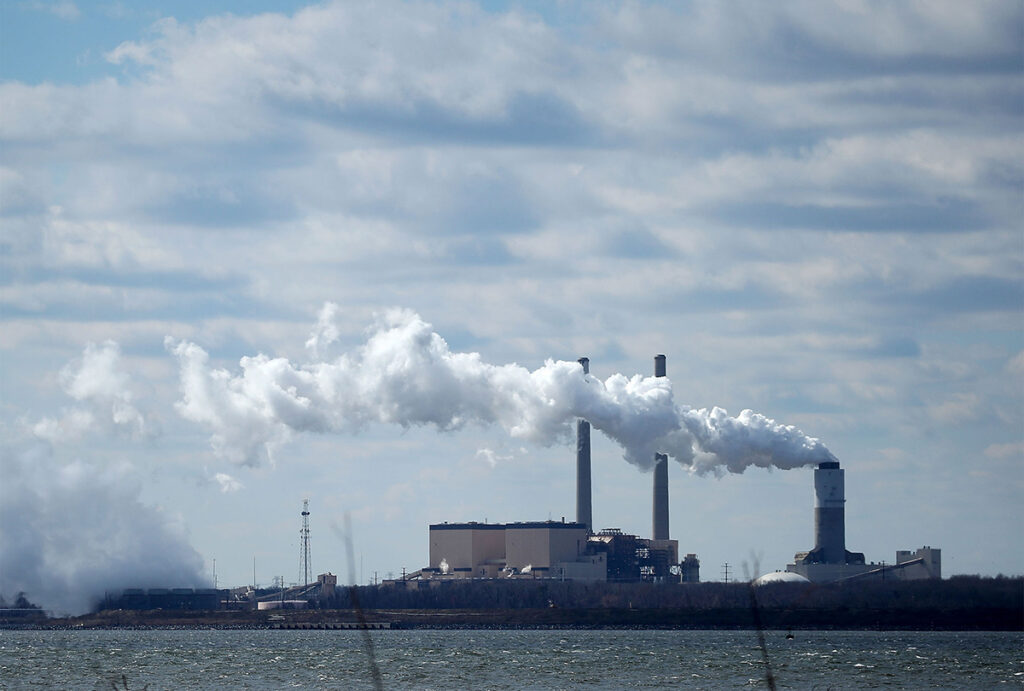
(Reuters) – The Trump administration on Tuesday proposed a rule revising Biden-era pollution protections for waterways, a move the Environmental Protection Agency said would speed permitting of energy and artificial intelligence infrastructure.
The proposed rule would revise a 2023 rule by former President Joe Biden’s administration on Section 401 of the Clean Water Act that gave states and tribes authority to protect waterways in their reviews of projects like pipelines and power plants requiring federal permits. Biden’s rule replaced a rule from President Donald Trump’s first administration that limited the ability of states and tribes to block or force changes in the projects.
Jess Kramer, the EPA assistant administrator for water, told reporters the 2023 revision was “fundamentally flawed and it’s inefficient and ineffective.” Kramer said Biden’s revision led to lengthy certification timelines. The proposed rule, Kramer said, will lead to predictable permitting that would “unleash American energy dominance” and support emerging artificial intelligence infrastructure.
Biden’s rule had been praised by conservationists and environmental justice groups concerned about pollution effects on waterways and communities depending on them.


Kramer said the proposed rule will ensure that section 401 is “not weaponized by states to shut down projects for political purposes.” It would set timelines and standardize approaches that states and tribes use in water quality certifications that are required before the federal government issues project permits, the EPA said.
It was the latest move by Trump’s environmental agency to roll back Biden-era environmental rules while supporting development of energy including fossil fuels. The Biden administration had already narrowed the rule in August 2023 after the U.S. Supreme Court ruled 9-0 to limit the regulatory reach of the EPA on the rule, after many farmers and landowners had slammed the agency for what they called regulatory overreach.
The proposed rule will undergo a 30-day comment period and the EPA hopes to finalize the rule in the spring, Kramer said.
Reporting by Timothy Gardner in Washington; Editing by Matthew Lewis
Share This: