CDN NEWS |
  US NEWS







Hauling petroleum around the world in ships is no longer a humdrum business.
By Julian Lee
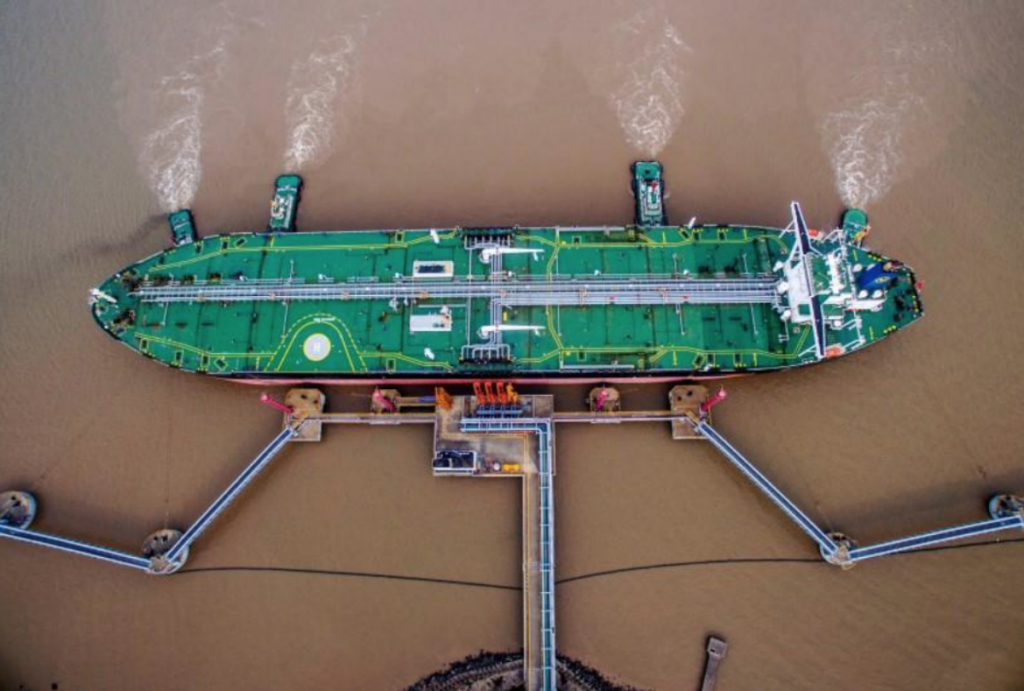
The cold war on sanctioned oil is heating up. Drone strikes and boarding parties have raised the risk of shipping blacklisted barrels.
On Wednesday, the US seized a tanker hauling as much as a two million barrels of Venezuelan crude. Its action came shortly after several explosions crippled Russia-linked vessels. Both incidents have implications for global oil supplies.
Five years ago, hauling petroleum around the world from producer to refiner to customer was a humdrum business. Not any longer.
Waves of sanctions have seen more than 1,000 vessels blacklisted by Western governments for their involvement in the oil trades of Iran, Russia, Venezuela and North Korea. They range from little coastal carriers moving small quantities to supertankers that haul cargoes halfway around the world.
Most belong to the shadow fleet — ships amassed by sanctioned nations to keep their oil flowing. These vessels are now being targeted by more aggressive actions.
Five tankers linked to Moscow have either been attacked by Ukrainian sea drones or suffered mysterious explosions since late November.


Kyiv claimed responsibility for three of the drone strikes, which appear to have been carefully targeted. The vessels were empty and heading for a Russian port when they were struck toward the stern, damaging their engine rooms rather than the cargo tanks.
On the other side of the Atlantic, the US government used an airborne assault squad to board and seize a tanker full of Venezuelan oil.
President Donald Trump already had form — under his previous administration four tankers carrying Iranian gasoline bound for Venezuela were halted, their cargoes confiscated and later sold in the US. But the incident still represented an escalation of his pressure campaign against Caracas.
If oil tankers become fair game for attack or seizure, it could have a big impact on the market.
About 300,000 barrels a day, or 30%, of Venezuela’s oil exports are seen as being at risk if the US strictly enforces sanctions. For Russia, halting Black Sea shipments could cost it as much as 700,000 barrels a day, or about 20% of seaborne flows.
Right now, we’re a long way from that and the market has taken the incidents in its stride. But the latest escalations will make some owners more wary of moving blacklisted barrels and raise the cost of shipping them.
—Julian Lee, Bloomberg News
Share This: