CDN NEWS |
  US NEWS







By Jason Chiu
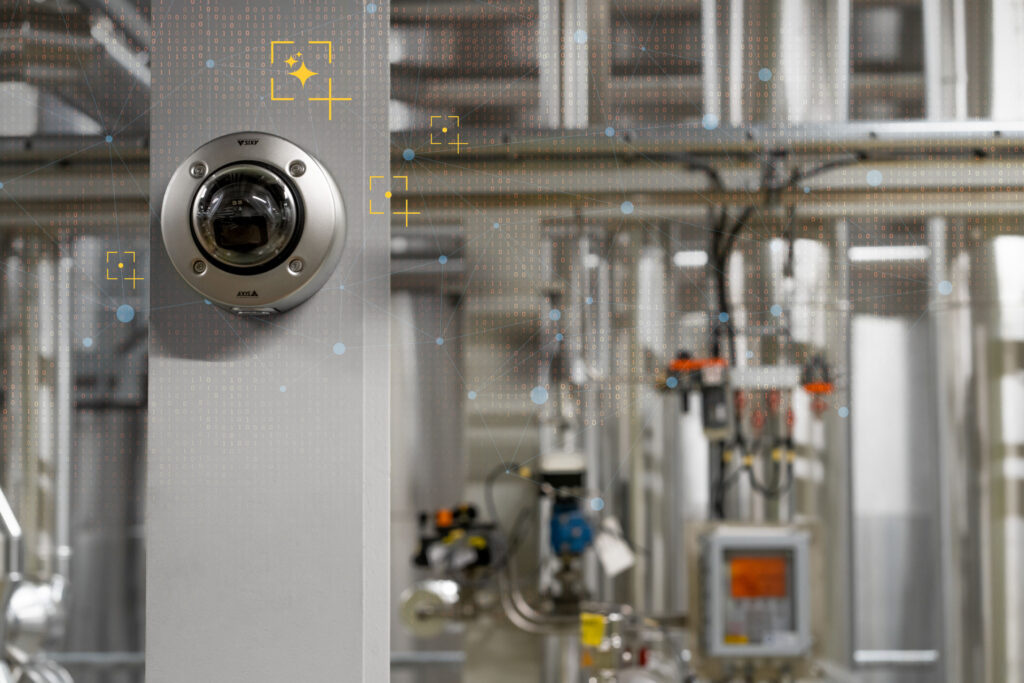
AI use in manfacturing for effective detection
Energy sites often operate in remote, spread-out, or unmanned locations, creating a visibility gap where issues can develop long before anyone is on-site to notice them. Artificial intelligence (AI) is starting to close that gap by analyzing movement, temperature changes, and irregular patterns across entire sites. Instead of offering just another dashboard, these systems give operators a clearer sense of day-to-day activity and how conditions are shifting in real time.
But AI only shows the activity – it does not interpret it. Energy environments are too nuanced for algorithms to understand every condition or context. Human judgment is still essential to decode AI-driven insights and determine which signals matter most for keeping operations safe and stable.
Why Human Insight Still Matters
AI gives operators a broader and faster view of what’s happening across a site. It can consolidate information instantly and surface changes that might otherwise take hours or days to notice. But speed and scale don’t equal understanding. Only people can look at that information in the context of how the site normally runs – its operating history, recent work, environmental conditions, and the day-to-day realities that shape its behavior.
Take a turbine that starts running slightly louder than usual. AI can detect the change immediately, but only a technician who knows the unit’s maintenance history and typical performance can judge whether it’s a harmless fluctuation or something worth addressing. AI supplies the visibility; humans supply the discernment. The strongest decisions come from the two working together, with AI handling the volume and humans determining what it truly means.
Understand What AI is Interpreting
When an AI system sends an alert, it’s responding to a deviation – a reading, behavior, or signal that moved outside what the system considers normal. That deviation could be a threshold being crossed, a pattern breaking, or a sensor behaving in a way the model didn’t expect. Decoding an alert starts with identifying that trigger. Operators need to understand what the system reacted to before they can decide how to interpret it or follow up.
For example, if a compressor’s vibration reading spikes, the AI isn’t diagnosing a fault. It’s simply noticing that the latest reading doesn’t match the profile it has learned. The first step in decoding the alert is understanding which input changed – the vibration value, the duration, the frequency, or the rate of change. Once operators know what shifted, they can determine whether it aligns with routine behavior, a developing issue, or something that needs immediate attention.
Apply Context to Every Insight
Once operators understand what triggered an AI alert, the next step is to place that signal within the realities of the site. Context includes the operational stage the asset is in, the recent work that has been completed, environmental conditions, and how the equipment typically behaves. Without these factors, an alert is just a data point. With them, it becomes something operators can evaluate in a meaningful way.
A transformer temperature change illustrates how much interpretation depends on circumstances. The same reading can mean different things depending on whether the site is coming off a high-load period, recovering from maintenance, operating under steady conditions, or if the temperature change is truly a cause for concern. Looking at the alert through this lens helps operators determine whether the deviation is part of routine behavior or something that needs attention.
Over time, this kind of interpretation becomes more efficient. As similar alerts recur under predictable conditions, operators start to recognize which aligns with normal behavior and which represent something out of pattern. These repetitions essentially “train” operators as well, helping them decode new alerts more quickly, reduce uncertainty, and respond with greater confidence. The more familiar the alert types become, the easier it is to distinguish real signals from routine background activity.
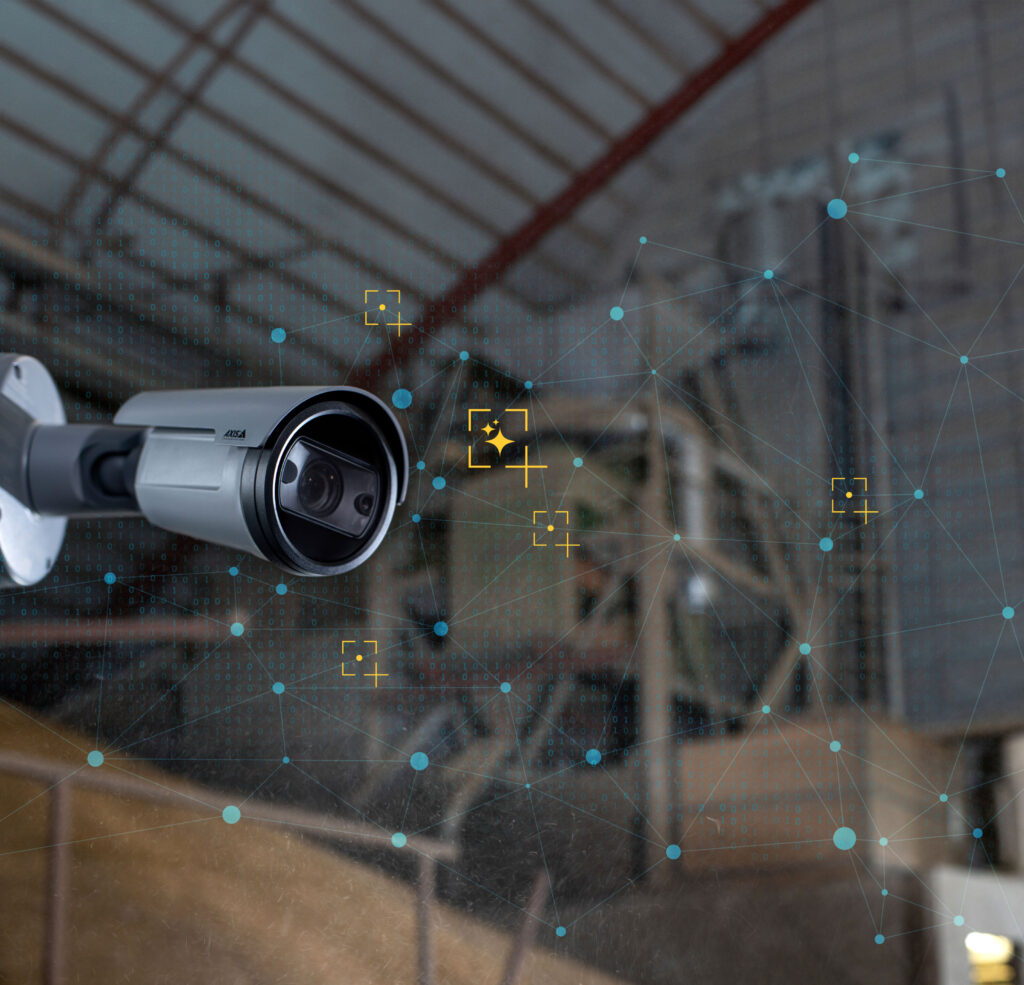
AI in the P1468-XLE detecting potential issues
Recognize Biases and Blind Spots
Decoding AI-driven insights also means being aware of the tendencies that can shape how alerts are interpreted. Both AI systems and operators bring their own blind spots to the table and recognizing them helps ensure that each signal is evaluated accurately. The goal isn’t to avoid mistakes entirely, but to understand where misinterpretation is most likely to arise.
AI’s blind spots usually come from its inputs. It can only react to the data it receives and the parameters it has been trained on, which means it may over-flag borderline conditions or under-flag situations that fall outside its training set. Visual systems can misread environmental noise like glare, shadows, snow, or blowing vegetation. Sensor-driven models might treat slight fluctuations as significant simply because they cross a threshold. Understanding these tendencies help operators see an alert not as a conclusion, but as a prompt for verification.
Operators, in turn, have their own biases. Experience is valuable, but it can also create assumptions – such as expecting a familiar pattern to be harmless or relying too heavily on a recent incident when interpreting a new alert. Automation bias can lead to trusting AI too quickly, while confirmation bias can push operators to see what they already expect. By acknowledging these blind spots, operators can approach each alert more deliberately, balancing system input with their own judgment to arrive at a more reliable interpretation.
Treat AI Recommendations as Starting Points
Even when an AI system highlights a change or suggests a course of action, that recommendation should be viewed as the beginning of the decision-making process, not the end of it. AI can surface what needs attention, but it doesn’t understand operational priorities, resource availability, or the broader conditions shaping the site at the moment. Treating each recommendation as a prompt – something to validate, investigate, or compare against current conditions – helps operators avoid over-relying on automated outputs.
Positioning AI as a starting point keeps the focus where it belongs: on an informed, well-rounded decision. Operators can combine the systems speed and breadth with what they know about the site, current workload, upcoming maintenance, or environmental factors. The result is a more grounded response that reflects both the insight the AI provides and the realities that only people can assess. When used this way, AI becomes a powerful tool that expedites and strengthens, rather than replaces, operational judgment.
Conclusion
Going beyond the dashboard means recognizing that AI can expand what operators see, but people ultimately determine what those insights mean. By understanding how alerts are generated, applying context, acknowledging blind spots, and treating recommendations as starting points, site managers can decode AI-driven insights with greater accuracy and confidence. The result is a more balanced, informed approach where AI provides the visibility and humans provide the judgment – a combination that keeps energy operations safer, steadier, and better prepared for whatever comes next.
BIO
Jason Chiu is the Professional Services Group Manager with Axis Canada. He has a background in IT and networking and has spent over 18 years in the security industry, from being an integrator, consultant and manufacturer. Jason is an ASIS board certified Physical Security Professional (PSP), is trained in Critical Infrastructure Protection (CIP), Crime Prevention Through Environmental Design (CPTED Levels 1 & 2), and (ISC)2 Certified in Cybersecurity.
Share This: