CDN NEWS |
  US NEWS







By API – American Petroleum Institute

Over the past several months, Americans have paid more attention than usual to the price of crude oil. And for good reason — disruption in the Strait of Hormuz has brought near-unprecedented levels of volatility to energy markets, and though most of us will never buy an actual barrel of oil, we feel its cost every time we fill up our cars or book a flight.
Those swings raise a more fundamental question: How is the price of oil actually determined? The short answer is that no single company or country sets the price, but everyone who drives a car, buys a ticket or ships a package influences the global market where prices are determined.
Producers take the market price — they don’t set it
Crude oil is like wheat, copper and coffee. It’s a global commodity produced by thousands of companies all over the world and sold into an interconnected global market.
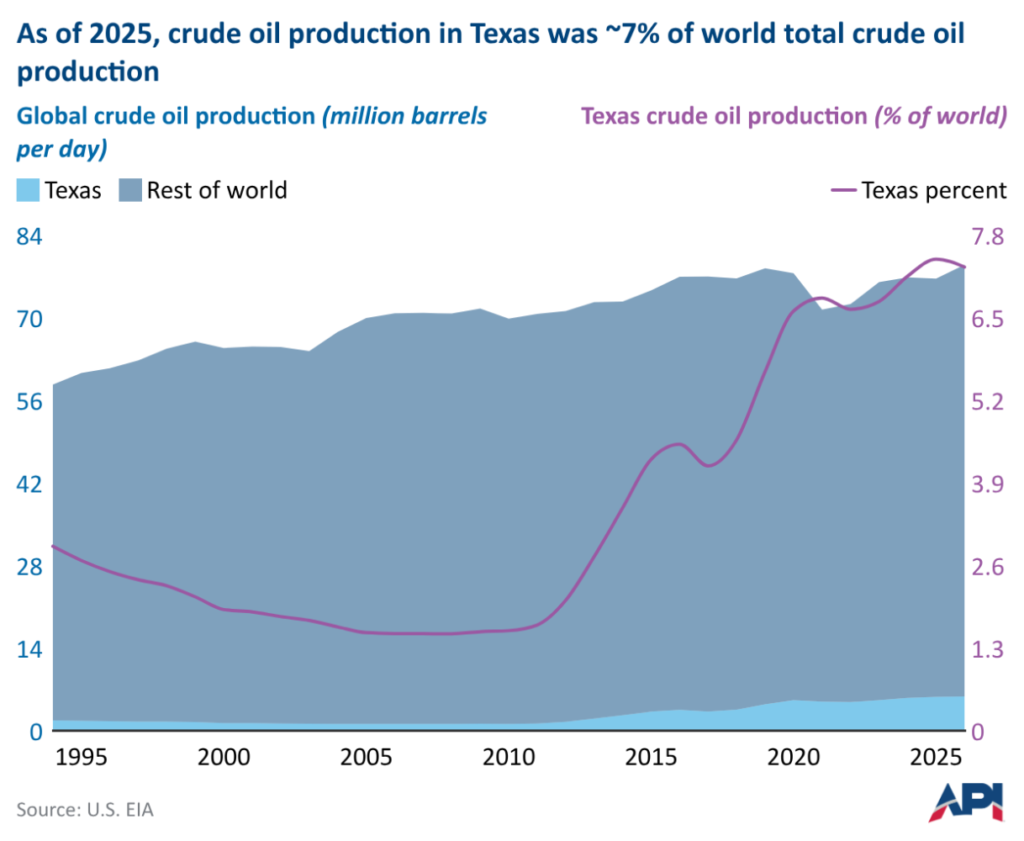
No single company or government controls enough supply to determine the global price. In Texas alone, more than 2,700 companies produced oil and natural gas last year, and the state represents only a fraction (roughly 7%) of the world’s crude.
Oil companies are price takers, not price makers. They sell at the market price rather than simply choosing what their barrels are worth.
The price is set by supply and demand
When demand for oil outpaces supply — because the economy is growing quickly, or because supply is disrupted, as it was when the Strait of Hormuz closed this year — prices generally rise. When supply outpaces demand, prices generally fall.
That balance is priced in real time on global exchanges, chiefly the New York Mercantile Exchange (NYMEX) and Intercontinental Exchange (ICE), where buyers and sellers make decisions by the second. Many of those contracts are for oil to be bought or sold at a future date, so prices reflect not only conditions today but expectations about supply and demand in the months ahead.
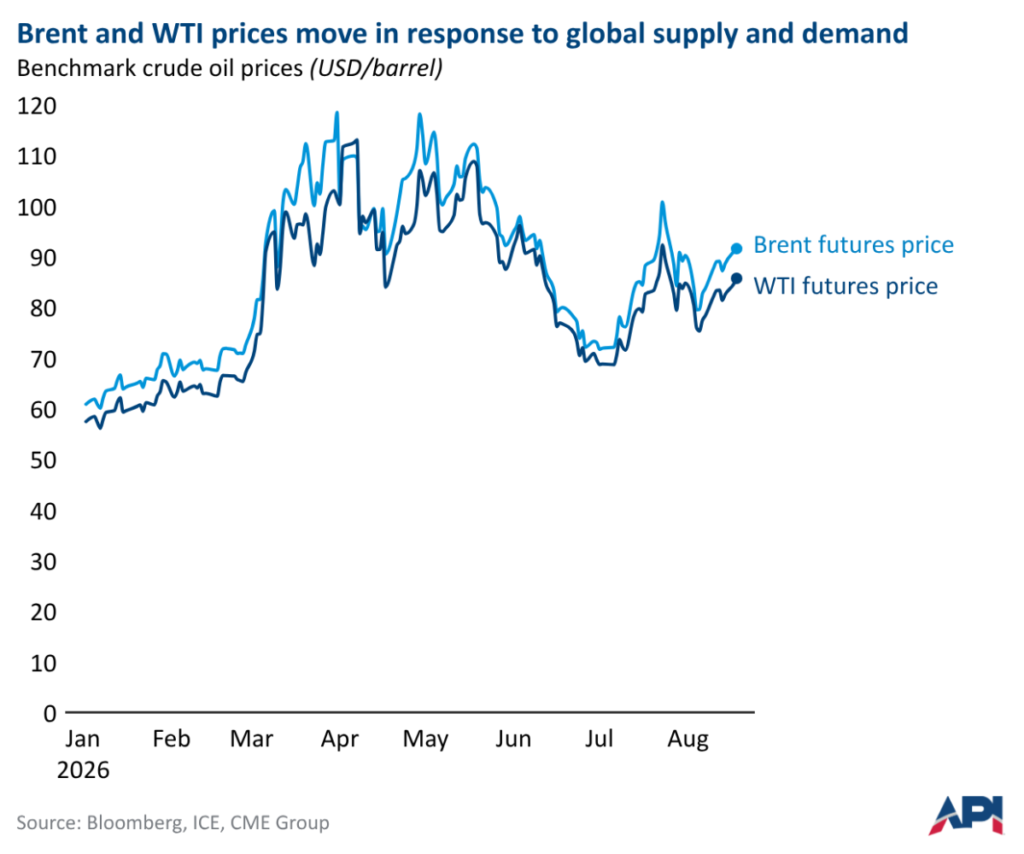



Those trades set the two most widely followed benchmark prices — West Texas Intermediate, or WTI, the main U.S. benchmark, and Brent, the global benchmark — for crude bought and sold worldwide.
The U.S. is the world’s largest producer, but still part of the global market
America’s record production has provided a cushion during volatility and strengthened energy security, but it does not make Americans immune to global market shocks.
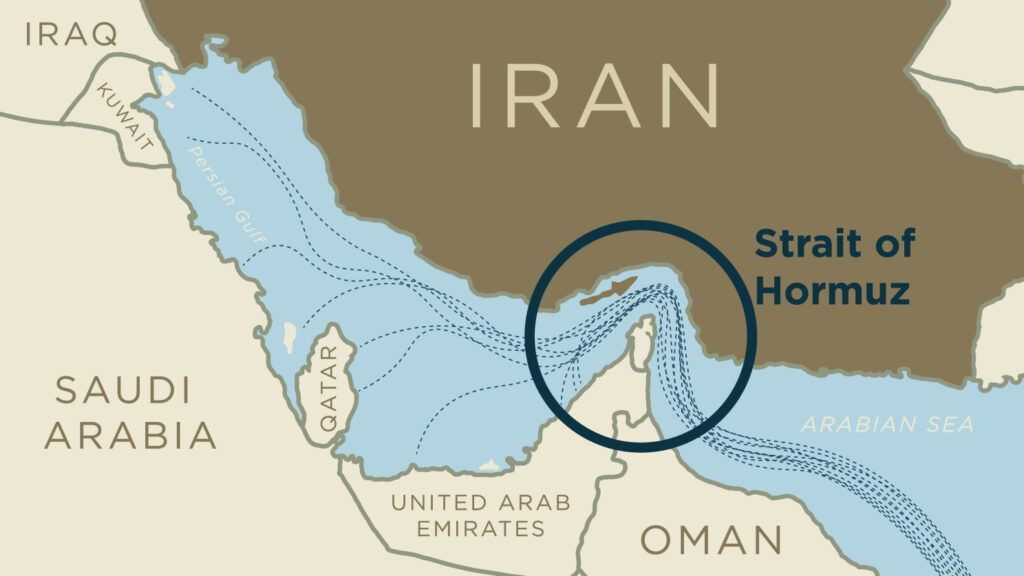
In a connected global market, a disruption anywhere can affect prices everywhere. Before this year’s disruption in the Strait of Hormuz, roughly 16 million barrels of crude passed through it each day. Most of that oil was bound for Asia, not the United States. When that supply was cut, buyers everywhere competed for fewer barrels, and prices rose here too.
But participating in that market also protects American consumers. Global trade gives U.S. refineries access to the types of crude their plants need to run optimally, and American exports add to the world’s supply, which has kept prices lower than they would be otherwise.
The global price of crude ultimately works its way to the pump
The price of crude oil is only part of what a driver pays — making up roughly half the price at the pump. The rest is refining costs and margins, distribution and taxes.
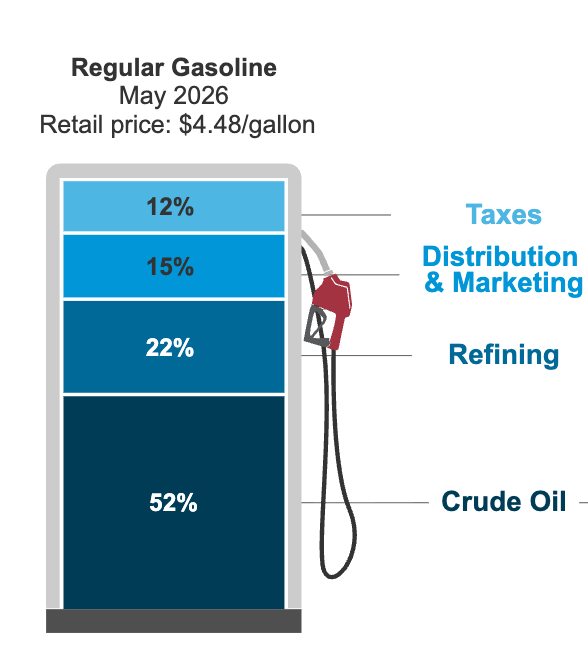
Gasoline is also a globally traded commodity, priced by supply and demand for fuel, not just for the crude it’s made from. That is why pump prices generally follow crude closely but not one-for-one or instantly.
The takeaway
No single entity sets the price of oil. It reflects the balance of supply and demand across a global market where thousands of producers, buyers, sellers and consumers all have an impact.
Americans have always felt some effects when major supplies are disrupted. But more domestic supply strengthens the U.S. energy system and puts consumers in a better position when global markets are under stress.
Share This: