CDN NEWS |
  US NEWS







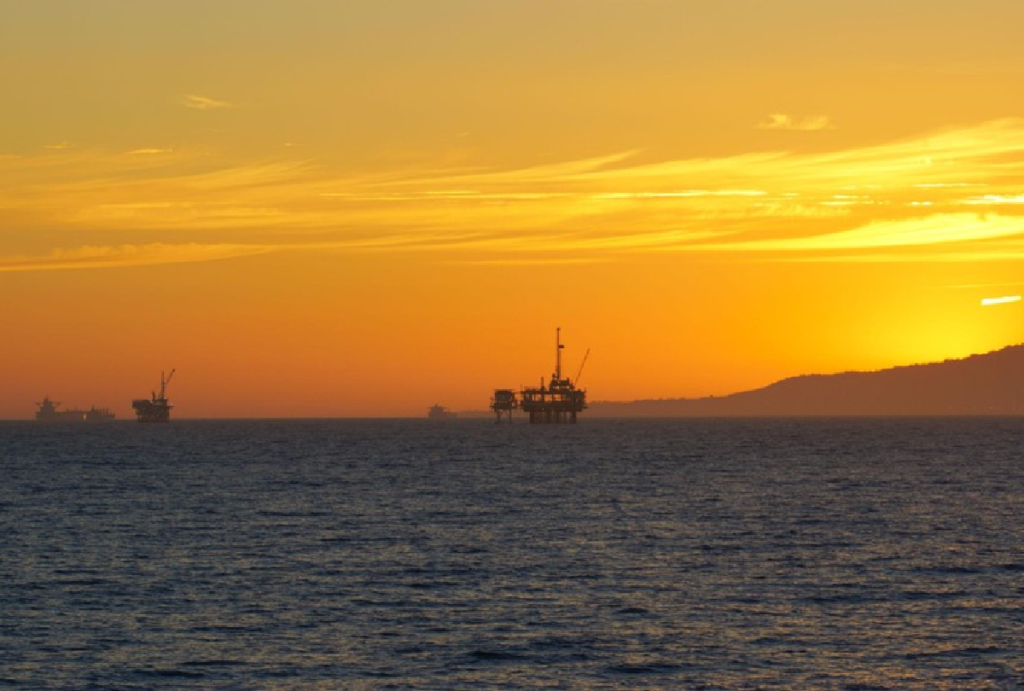
The Trump administration has launched a major effort to expand offshore oil and gas development along the California coast, reopening a debate that has largely been dormant for decades.
In January, the U.S. Department of the Interior began the process of considering new offshore lease sales in federal waters off Central and Southern California. The move is part of a broader national energy strategy aimed at increasing domestic oil and gas production, improving energy security, and reducing reliance on foreign imports. The administration has invited industry nominations for areas that could be offered for future leasing, with the first potential sales as early as 2027.
The proposal represents the most significant attempt to open new offshore drilling opportunities along California’s coast since the 1980s. While California still has active offshore oil platforms, no major new federal lease sales have occurred off the state’s coast in decades.
Why Trump Supports Expanded Offshore Development
The administration argues that increasing offshore production would:
- Strengthen U.S. energy security.
- Increase domestic oil supplies.
- Support jobs in the energy sector.
- Generate federal revenues from lease sales and royalties.
- Reduce dependence on foreign energy sources during periods of geopolitical instability.
The proposal aligns with President Trump’s broader “American Energy Dominance” agenda, which seeks to expand oil and gas production on federal lands and offshore areas while streamlining permitting and regulatory approvals.
Supporters within the oil industry also point to potentially significant untapped offshore resources. Estimates suggest California’s offshore basins may contain billions of barrels of recoverable oil and several trillion cubic feet of natural gas.
Who Is Opposing the Plan?
Opposition has been swift and widespread.
California Governor Gavin Newsom
Perhaps the most vocal opponent has been Gavin Newsom, who joined the governors of Oregon and Washington in formally opposing the proposal.
Newsom has argued that new offshore drilling threatens:
- Coastal tourism industries.
- Commercial fisheries.
- Marine ecosystems.
- Coastal communities.
- Military operations along the Pacific Coast.
California officials have pledged to use “every legal tool available” to challenge the proposal.
West Coast Governors
Tina Kotek and Bob Ferguson joined California in submitting a joint opposition letter to federal regulators, citing environmental and economic concerns.
California Congressional Delegation
More than two dozen members of California’s congressional delegation have formally opposed new offshore leasing. Their concerns center on oil spill risks, environmental impacts, and threats to coastal economies.
Environmental Organizations
Groups such as the Natural Resources Defense Council, Earthjustice, and numerous marine conservation organizations argue that expanded drilling would increase the risk of oil spills while undermining climate goals.
Military Leaders
An unexpected source of opposition has emerged from retired military officials and defense advocates.
Military leaders have warned that proposed drilling areas overlap with important testing and training ranges used by the U.S. Navy, Air Force, Marines, and Space Force off Southern California. They argue that permanent offshore platforms could interfere with weapons testing and military readiness.
Another Front in the Battle: California’s Coastal Commission
The dispute has expanded beyond drilling itself.
The Trump administration recently announced a review of California’s powerful coastal regulatory agencies, including the California Coastal Commission. Federal officials argue the state’s regulatory framework may be hindering federal interests, including offshore energy development.
Critics view the review as an attempt to weaken California’s ability to influence federal offshore projects and energy infrastructure development.
What Happens Next?
The offshore leasing proposal still faces a lengthy federal review process.
1. Federal Review Continues
The Bureau of Ocean Energy Management (BOEM) is currently evaluating public comments and industry nominations regarding potential lease areas.
2. Revised Leasing Plan
The Interior Department is expected to release a revised version of its offshore leasing program later this year. The current draft reportedly includes lease sales off California beginning in 2027.
3. Additional Public Comment Periods
Further opportunities for public input are expected before any leasing plan becomes final. Environmental groups, state governments, industry organizations, and local communities will all continue lobbying for changes.
4. Legal Challenges
If lease sales move forward, lawsuits are almost certain. California has already demonstrated its willingness to challenge federal offshore energy initiatives in court, and environmental organizations are preparing for similar actions.
5. Final Decision Expected in Late 2026
Federal officials are aiming to finalize the next offshore leasing program by the fall of 2026. However, the process could face delays due to legal challenges, environmental reviews, and political opposition.
The Bigger Picture
The California offshore drilling dispute highlights a growing divide between federal energy policy and state environmental priorities.
For the Trump administration, expanding offshore oil and gas development is viewed as a key component of energy security and economic growth. For California and many coastal stakeholders, the proposal raises concerns about environmental risks, tourism impacts, fisheries, military operations, and climate policy.
With billions of barrels of potential offshore resources at stake and strong political opposition already mobilized, the battle over California’s offshore waters is shaping up to become one of the most closely watched energy policy fights in the United States over the next year.
Share This: