CDN NEWS |
  US NEWS







QatarEnergy and Adnoc are using methods typically employed by Russia to get their gas across the Strait of Hormuz.
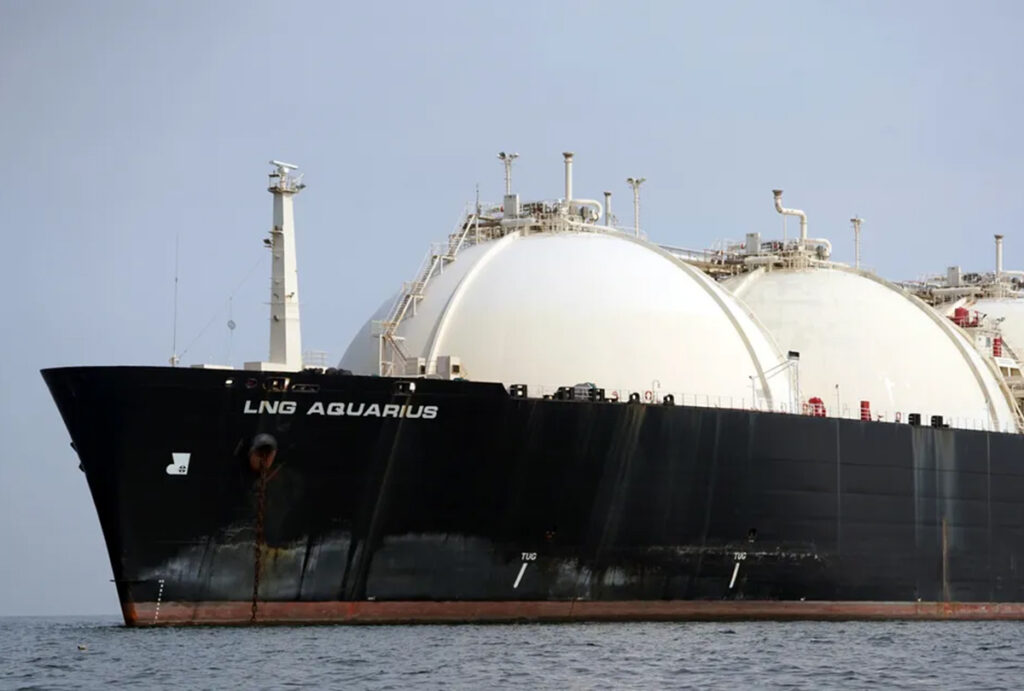
Major liquefied natural gas exporters in the Persian Gulf are preparing for a potential future where disruptions in the Strait of Hormuz persist for longer.
In a bid to move their LNG through the critical waterway, QatarEnergy and Abu Dhabi National Oil Co. have begun “going dark,” adopting tactics typically employed by Russia’s so-called shadow fleet.
That’s got some shipments — though limited — flowing again, and could be seen as a test case for more.
It’s a significant shift for the LNG industry, where until recently almost every cargo could be tracked in real time and traded between well-known buyers and sellers.
Now, with the Iran war entering its fourth month, QatarEnergy and Adnoc — which together made up a fifth of global LNG exports last year — are turning to alternative practices to ship gas quietly out.



That involves switching off vessel-tracking signals. It’s a strategy that’s been used by Russian tankers to evade detection, but the ships carrying Qatari and UAE gas are not sanctioned, and the companies say the measures are intended to protect tankers operating in a conflict zone.
The adjustments extend to hiring, with ships forced to replace captains and crew members who are reluctant to navigate the strait.
In one case, a Qatari vessel hired crew through an Indonesian recruiter that had previously supplied personnel for ships transporting sanctioned Russian LNG.
Following several successful Hormuz transits, empty LNG carriers are now returning to the region to load additional cargoes. Four vessels linked to QatarEnergy and Adnoc have entered the Gulf of Oman in the last few days, near the eastern entrance to Hormuz.
One stopped transmitting its location two days ago, suggesting it may already be making the passage through the strait.
As the war drags on, the global energy industry is watching closely for any diplomatic breakthrough that may allow normal traffic to resume. But one thing is becoming clear: The region’s two biggest LNG exporters are no longer prepared to wait for that outcome.
—Stephen Stapczynski, Bloomberg News
Share This: