CDN NEWS |
  US NEWS







Analysts call for more pipeline capacity amid tightening global heavy oil market
By Will Gibson
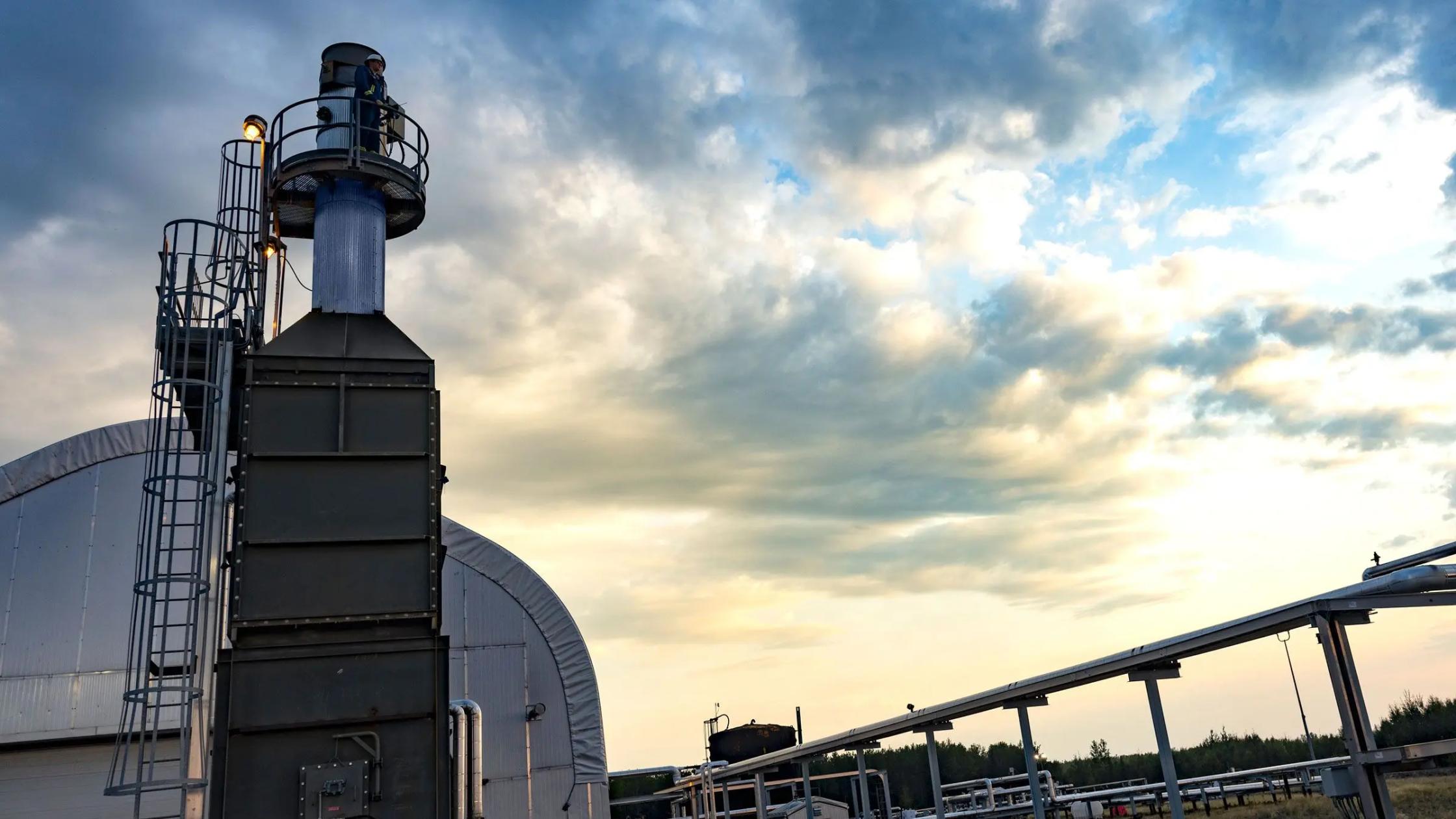
Alberta’s oil sands have emerged as one of North America’s most attractive oil plays as costs rise in competing basins like the Permian in Texas, according to a recent report.
The oil sands hold 177 billion barrels of proved reserves, making it the largest play in North America by a wide margin.
Existing operations have some of the continent’s lowest production costs, said Trevor Rix, a director with Enverus Intelligence Research.
“Operators have become more efficient and have tremendously low sustaining break-even costs, arguably the lowest in North America,” Rix said.
“Some steam-assisted gravity drainage [SAGD] operations can break even at less than US$40 per barrel.”
Meanwhile, comparative costs in the Permian have risen toward US$65 per barrel, he said.
Misunderstood economics
Kevin Birn, chief analyst for Canadian oil markets at S&P Global, said the oil sands sector’s economics have been poorly understood.
“The oil sands require upfront capital and time to bring on new facilities, so you need to be patient before your operations generate returns,” said Birn.
“Once you pass that entry barrier, the oil sands are incredibly competitive in terms of sustaining costs. After that capital is sunk, the oil sands are a production machine compared to other conventional and unconventional plays.”
Unlike U.S. shale plays, oil sands production is long-life and low-decline, without the treadmill of ongoing investment in new wells.
Large oil sands reserves support mining projects that require no drilling, while the standard SAGD method involves about 60 per cent fewer wells than the average shale play, according to BMO Capital Markets.
Today’s lower oil sands costs come in part from improved drilling technologies, faster drill times and more precise well placement, Birn said.
Practices such as predictive maintenance on critical equipment have also reduced downtime and unplanned outages.
“These plants are running harder and faster for longer periods of time,” Birn said.



“A lot of it is simply learning by doing.”
Heavy oil market tightening
The heavy oil produced in the oil sands is seeing strong demand as global heavy crude markets tighten.
Increased oil sands production has driven a nearly 800,000-barrel-per-day surge in Canada’s oil exports since 2021, according to Canada Energy Regulator data.
“The heavy oil segment of the [global] market is probably around nine to 10 million barrels per day, driven by refineries that have built special equipment to handle that around the world,” said Birn.
Increased demand comes alongside continuing long-term declines in competing sources of supply, principally in Latin American producers such as Mexico and Venezuela, he said.
“We’ve seen the heavy oil market actually tighten because more refineries are putting capacity towards processing heavier crudes around the world,” he said.
“That increased demand has contributed to a better price for Canadian producers. And that’s before geopolitical considerations led to uncertainty around supply.”
Pipeline capacity
Enverus is calling for more pipeline infrastructure, projecting that oil sands production growth will fill current capacity in the next seven years.
“Given the historically long lead times for greenfield pipeline projects, we believe it is prudent to begin that planning and permitting process now,” analysts wrote.
Given the rising demand for heavier crudes, Toronto-based energy analyst Rory Johnston sees several plausible options for increasing capacity to send barrels to customers in the United States and Asia.
This includes expansions and optimizations of the Enbridge Mainline, Trans Mountain system, South Bow’s proposed Prairie Connector, and the new West Coast Oil Pipeline proposed by Alberta’s government.
“We’re in an interesting sweet spot right now in that we have competing egress options on the table for the first time since the heyday of TMX, Keystone XL and Energy East more than a decade ago,” said Johnston, publisher of the Commodity Context newsletter.
“But we can never take this for granted as options can disappear at any moment. If we actually are coming to a place of choosing what’s the best option rather than what’s easiest to get over the line, that’s important.”
Share This: