CDN NEWS |
  US NEWS







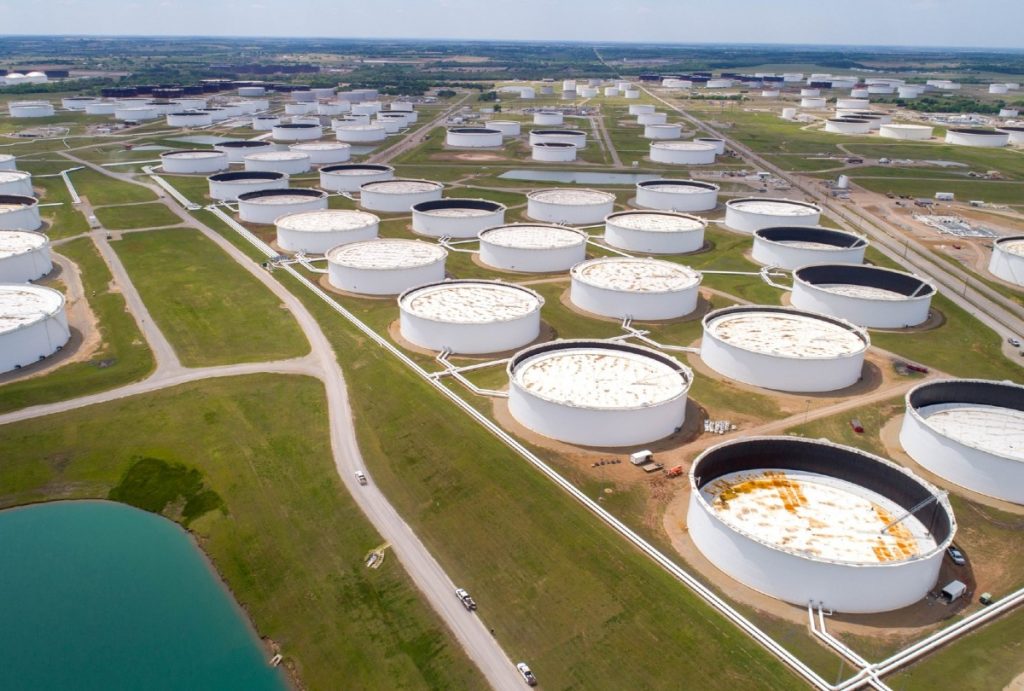
(Reuters) – Researchers at Citi said on Monday that global crude and product inventories could decline by roughly 900 million barrels even if the United States and Iran agree to a ceasefire extension this week, and both Strait of Hormuz flows and oil production recover to normal levels by the end of June.



The bank said the decline would include the drawdown of 500 million barrels that has already occurred, with a further 400 million barrels drawn down due to ramp-up delays, logistical bottlenecks, and conflict-related damage.
- “We are set to see crude and product inventories globally reach their lowest levels in 8 years by the end of June, even if the conflict ended this week,” Citi noted.
- A ceasefire agreement between the United States and Iran was announced by U.S. President Donald Trump on April 7, halting a sharp escalation between Washington and Tehran.
- Oil prices jumped about 5% on Monday on fears that the ceasefire could collapse after the U.S. seized an Iranian cargo ship
- Traffic through the Strait of Hormuz remains largely halted
- If Strait of Hormuz disruptions persist for an additional month at roughly current levels, total inventory losses could rise to around 1.3 billion barrels, Citi said.
- Under that scenario, Brent crude prices would likely be close to $110, $90, and $80 a barrel in the second, third and fourth quarters of 2026, respectively.
- A two-month extension of disruptions could lift losses to about 1.7 billion barrels, pushing inventories to their lowest levels on record based on around 25 years of data, Citi said, with prices reaching $130/bbl by the second quarter.
Reporting by Anushree Mukherjee in Bengaluru
Share This: